Když si cestovatelé představí Vatikánská muzea, většinou se jim v mysli vybaví hned Michelangelo, Sixtinskou kapli a dechberoucí drama malovaných stropů, které po staletí utvářely obraz renesance. Skutečné kouzlo muzeí však spočívá v tom, kolik toho ještě obsahují. Za věhlasem kaple se skrývá rozsáhlý a mnohovrstevnatý svět soch, map, tapiserií, fresek a dekorativních mistrovských děl, který odmění každého, kdo je ochoten nahlédnout za hranice zjevného. Vatikánská muzea nejsou jen památníkem jednoho génia. Jsou živoucím archivem uměleckých ambicí, politické moci, duchovní představivosti a kulturní výměny, který se po generace shromažďoval v samém srdci Vatikánská muzea sbírky.
Procházet těmito galeriemi znamená vstoupit do prostoru, kde se překvapení stává součástí zážitku. Návštěvník může přijít a očekávat pouze velikány vrcholné renesance, ale brzy se setká s díly, která jsou tišší, podivnější a někdy i zapamatovatelnější, protože jsou nečekaná. Jsou zde místnosti, kde starořímský mramor působí téměř jako živý, chodby, kde se geografie stává uměním, a komnaty, kde barvy, řemeslné zpracování a symbolika promlouvají s překvapivou jasností. Tyto méně známé poklady nabízejí širší pochopení toho, čím Vatikánská muzea skutečně jsou: nikoliv jedním mistrovským dílem, ale rozhovorem napříč staletími.
Nečekané vatikánské poklady za Sixtinskou kaplí
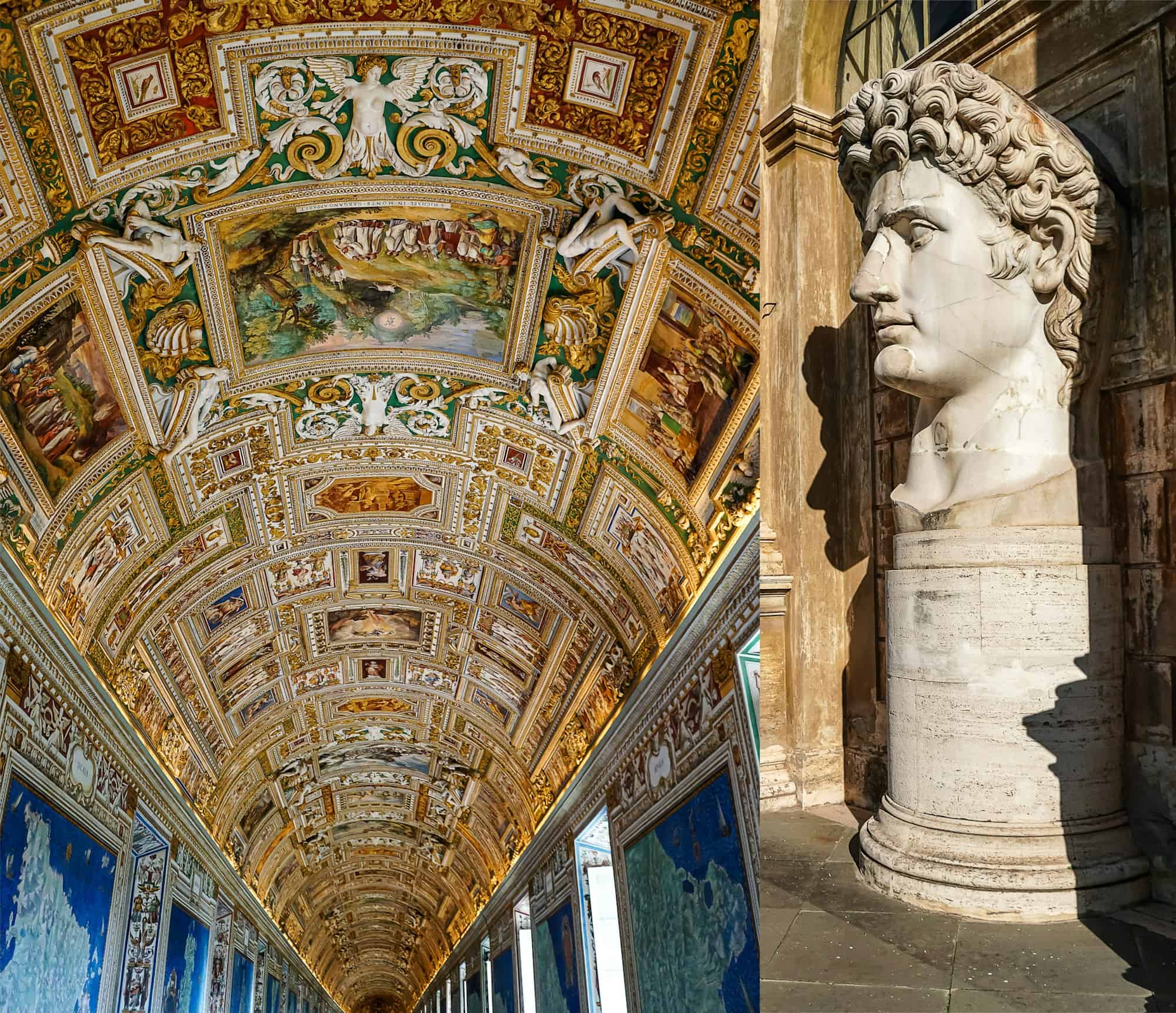
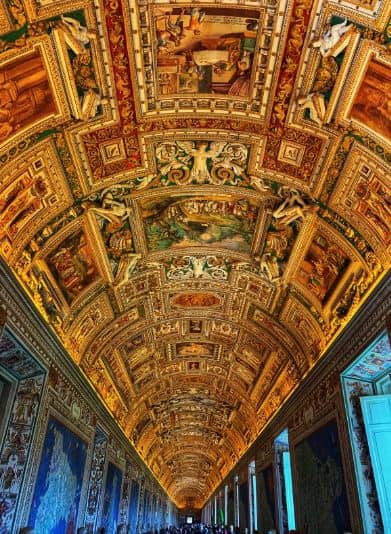
Jedním z nejvýraznějších příkladů je Galerie map, dlouhá a prosvětlená chodba, kterou mnozí návštěvníci zpočátku považují spíše za průchod než za cíl. To je chyba. Umění a poznání se zde spojují ve velkolepé oslavě místa. Malované mapy nejsou jen dekorativní, ale představují celý světonázor, v němž se prolínají krajina, identita a víra. Jejich živá modř, zeleň a zlatá stále září nad hlavou a po stěnách a mění geografii v divadelní vizuální zážitek. V době před digitální navigací vyjadřovala tato díla sílu, zvědavost a řád způsobem, který je stále hluboce moderní.
Nedaleko se nacházejí Rafaelovy pokoje, které často přitahují pozornost kvůli svému spojení s Raphael, ale i zde se mnozí návštěvníci soustředí pouze na nejznámější fresky a příliš rychle pokračují dál. Místnosti si zaslouží pomalejší čtení. Jejich složitá symbolika, elegantní architektura a intelektuální hloubka odhalují, jak bylo malířství ve Vatikánu navrženo tak, aby nejen zapůsobilo, ale i přesvědčilo. Tyto místnosti oslavují teologii, filozofii, právo a poezii a vytvářejí malířský vesmír, v němž se ideje stávají viditelnými. Zatímco Michelangelo často ohromuje fyzickou velikostí, Rafael svádí vyvážeností a jasností a připomíná návštěvníkům, že uměleckou identitu Vatikánu utvářelo více tvůrčích hlasů.
Mezi nezapomenutelné předměty v muzeích patří starověká socha známá pod názvem Laocoön. Tato mramorová skupina zachycuje okamžik agonie, pohybu a odporu s téměř nemožnou intenzitou. I pro moderního diváka působí filmově. Kroutící se těla a emocionální síla díla odhalují, proč mělo tak hluboký vliv na renesanční umělce, když bylo znovuobjeveno. Není to jen archeologický poklad, je to dílo, které změnilo běh evropského umění. Když před ním člověk stojí, chápe, že Vatikánská muzea nejsou jen o uchovávání krásy, ale o uchovávání děl, která proměnila samotné dějiny umění.
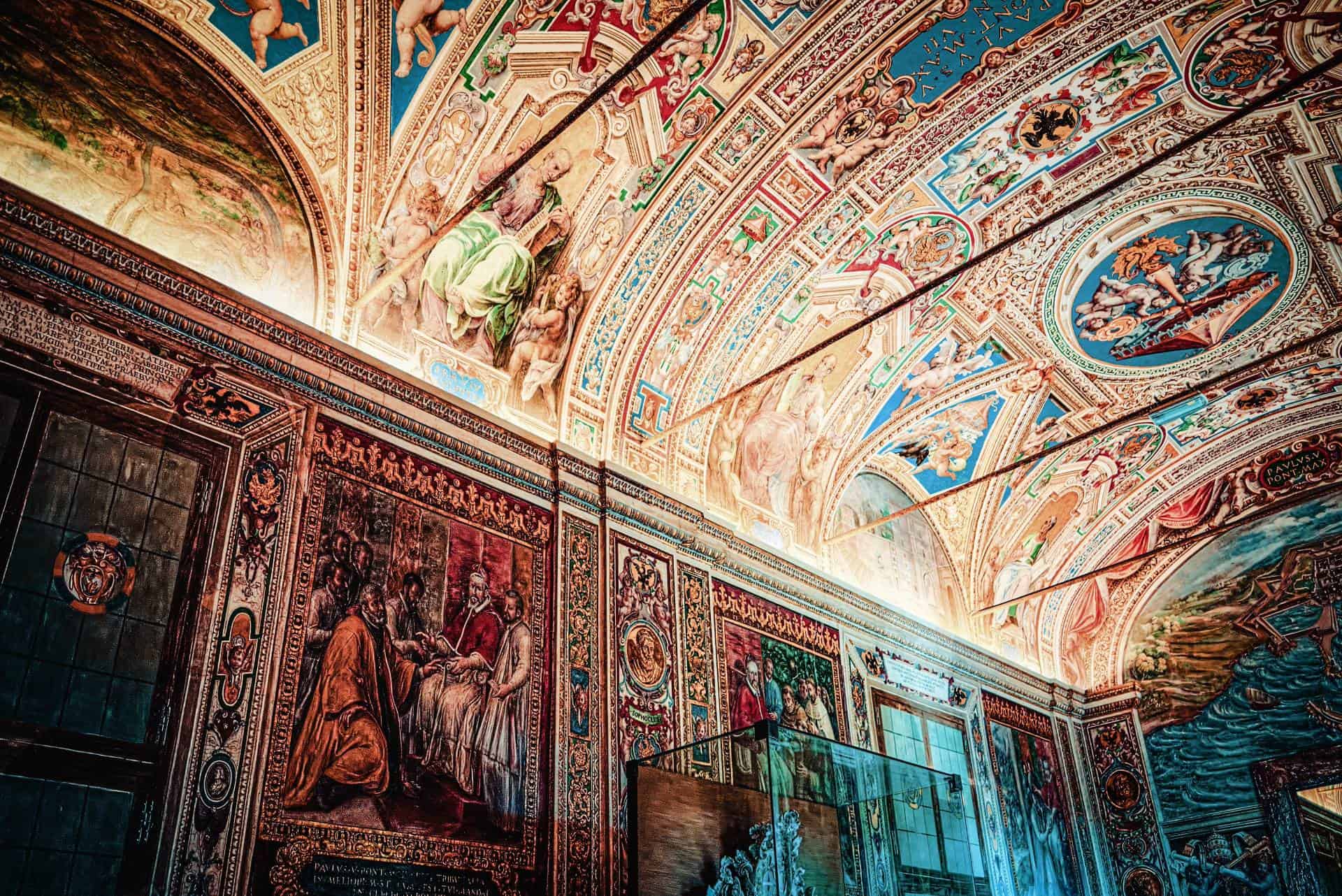
Dalším nečekaným potěšením je Galerie tapiserií, kde tkané obrazy vytvářejí zcela jinou atmosféru než malované fresky nebo tesaný kámen. Gobelíny v sobě nesou jemnější, ale stejně silnou přítomnost. Jejich textury pohlcují světlo způsobem, který dodává postavám a výjevům zvláštní bohatost, téměř jako by se příběhy vynořovaly spíše z látky než z pigmentu. Tato monumentální díla prozrazují luxus a rafinovanost dvorského a církevního mecenášství. Zároveň návštěvníkům připomínají, že umělecké úspěchy ve Vatikánu se nikdy neomezovaly pouze na malířství. Textilní umění, dnes často podceňované, kdysi stálo v samém centru elitní vizuální kultury.
Pak je tu pozoruhodný Torzo Belvedere, spíše fragment než kompletní figura, a přesto jedna z nejvlivnějších soch v celém muzejním komplexu. Její nedokončenost je součástí její síly. Zkroucené svalstvo a soustředěná energie trupu inspirovaly umělce po celé generace, včetně samotného Michelangela. Dokazuje, že i poškozené dílo může mít obrovskou tvůrčí autoritu. V některých ohledech je ještě podmanivější, protože po divákovi vyžaduje, aby si představil, co mu chybí. Vatikánská muzea jsou plná takových momentů, kdy se absence stává součástí uměleckého významu.
Proč vatikánské sbírky odhalují víc než slavné stropní umění
Jiné překvapení se objevuje v místnostech věnovaných egyptským a etruským starožitnostem. Mnozí návštěvníci neočekávají, že se s těmito civilizacemi setkají v takové hloubce uvnitř Vatikánu, přesto jejich přítomnost rozšiřuje zážitek z muzea mimo křesťanský a renesanční svět. Tyto sbírky ukazují, jak papežská muzea rostla díky širší fascinaci minulostí lidstva. Sarkofágy, rituální předměty, nápisy a pohřební umění odhalují, jak si starověké národy představovaly smrt, božství, paměť a moc. Zařazením těchto kultur se Vatikánská muzea stávají nejen náboženským cílem, ale i encyklopedickým průzkumem civilizace.
Na stránkách Pinacoteca nabízí další obohacující odbočku pro každého, kdo je ochoten opustit hlavní davový proud. V této obrazárně se nacházejí mimořádné obrazy, které jsou často zastíněny slavnějšími prostory muzea. Návštěvníci se zde mohou důvěrněji seznámit s mistrovskými díly, aniž by byli nuceni se neustále pohybovat. Díla umělců, jako jsou např. Caravaggio a Leonardo da Vinci prohloubit příběh Vatikánu jako sběratele emocionálního dramatu, technické brilance a zbožných obrazů. V těchto klidnějších místnostech se zážitek z muzea stává více reflexivním. Místo samotné podívané zde najdeme atmosféru, ticho a soustředění.
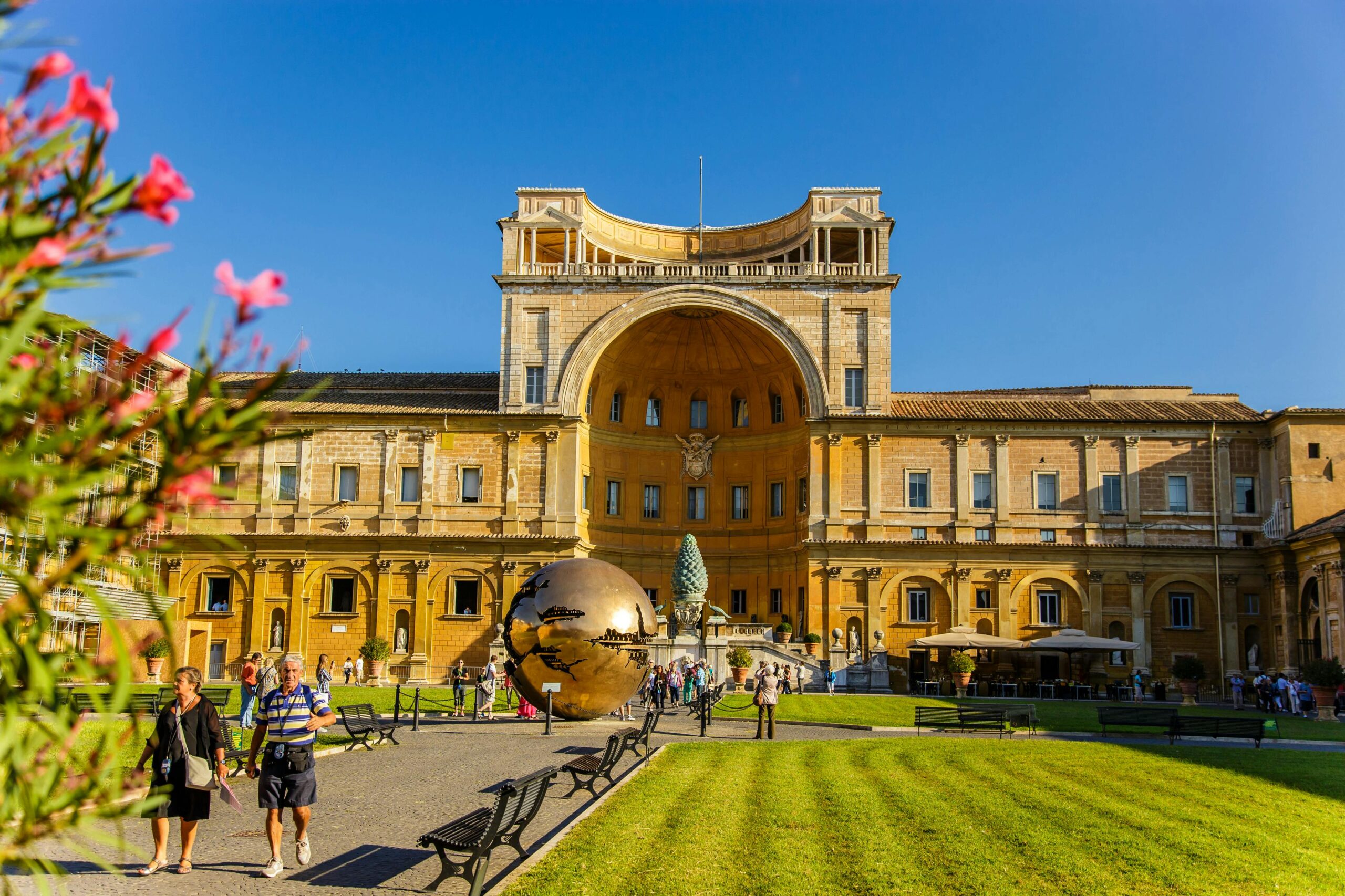
Neměli bychom také přehlížet roli samotné architektury při utváření emocionálního rytmu návštěvy. Schodiště, nádvoří, klenuté stropy a zarámované výhledy přispívají k pocitu, že Vatikánská muzea jsou koncipována jako sled objevů. Slavné Bramanteho schodiště, je například mnohem víc než jen praktická struktura. Vytváří pohyb jako vizuální zážitek a mění cirkulaci v eleganci. Ve Vatikánu mohou i přechody mezi galeriemi působit umělecky.
Důležitost těchto nečekaných děl spočívá v tom, že navracejí komplexnost místu, které se příliš často omezuje na kontrolní seznam. Vatikánská muzea nejsou jen místem, kam se chodí na slavný strop. Jsou místem, kde se dějiny umění odvíjejí ve vrstvách, od antiky po renesanci a dále, prostřednictvím předmětů, které jsou výzvou, potěšením a překvapením. Klidnější mistrovská díla často zůstávají v paměti nejdéle, protože nebyla očekávána. Přicházejí jako objevy a objev je jedním z největších potěšení, které může muzeum nabídnout.
Pro cestovatele to znamená, že nejlepší návštěva je málokdy ta nejrychlejší. Vyplatí se zastavit na chodbách, kterými ostatní spěchají, číst popisky, pozorně si prohlížet materiály a nechat méně známé místnosti, aby utvářely den. Tím se Vatikánská muzea stávají bohatšími, lidštějšími a rozsáhlejšími, než jak je naznačuje jejich pohlednicový obraz. Michelangelo možná přitahuje davy, ale duše muzeí žije také ve starobylém mramoru, utkaném vyprávění, malovaném zeměpise a zapomenutých zákoutích krásy. Překročit Michelangela neznamená ho znehodnotit. Znamená to konečně pochopit Vatikánská muzea v plné šíři, jako místo, kde nesčetná umělecká díla nadále promlouvají napříč časem.

 English
  Polski
  Español
  Português
  Deutsch
  Français
  Italiano
  Português do Brasil
  Čeština
  Dansk
Dansk  Ελληνικά
  한국어
한국어  日本語
日本語  简体中文
简体中文  Русский
  Svenska
  Nederlands