비공식 웹사이트

Vatican Tapestries Corridor

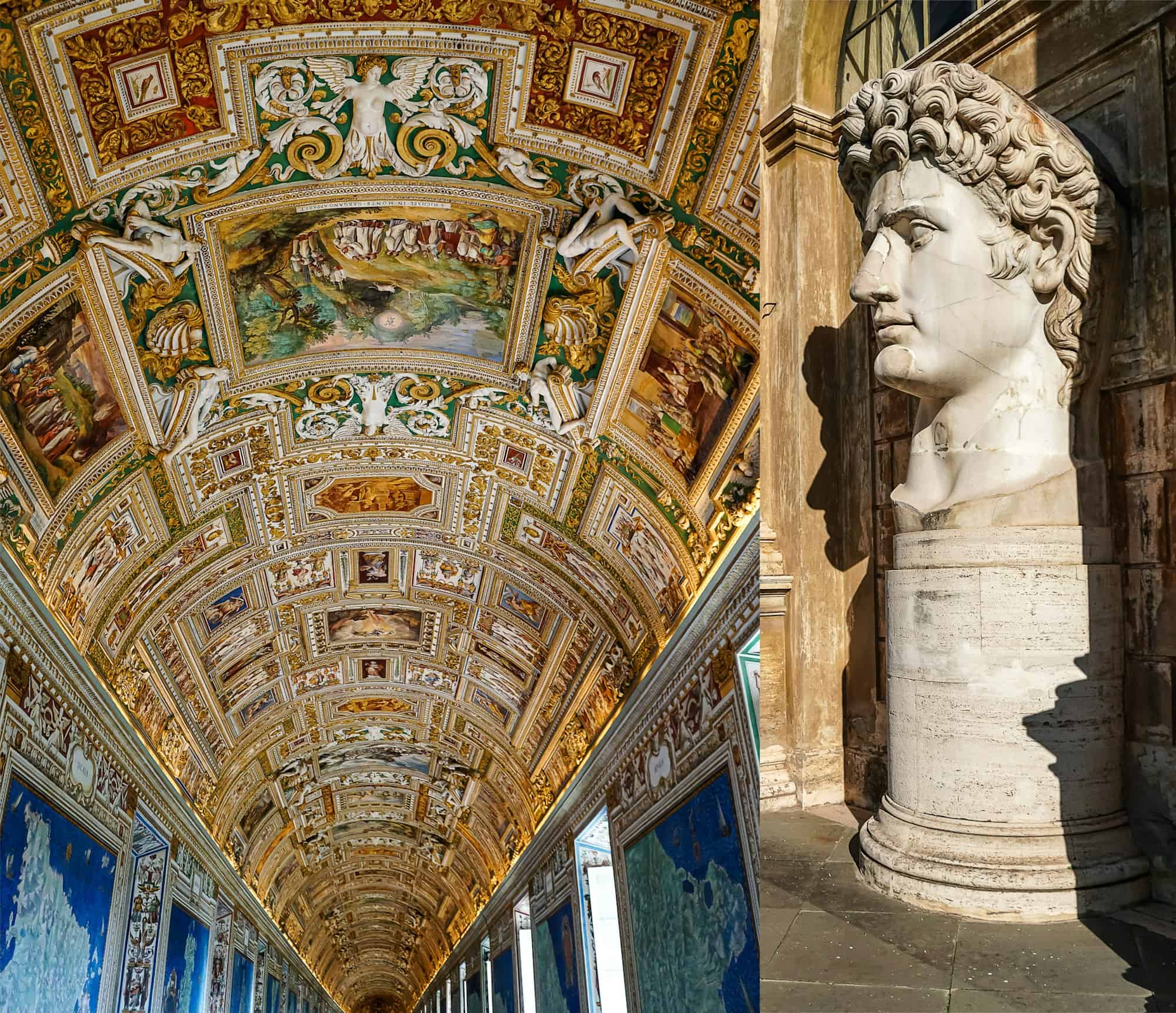
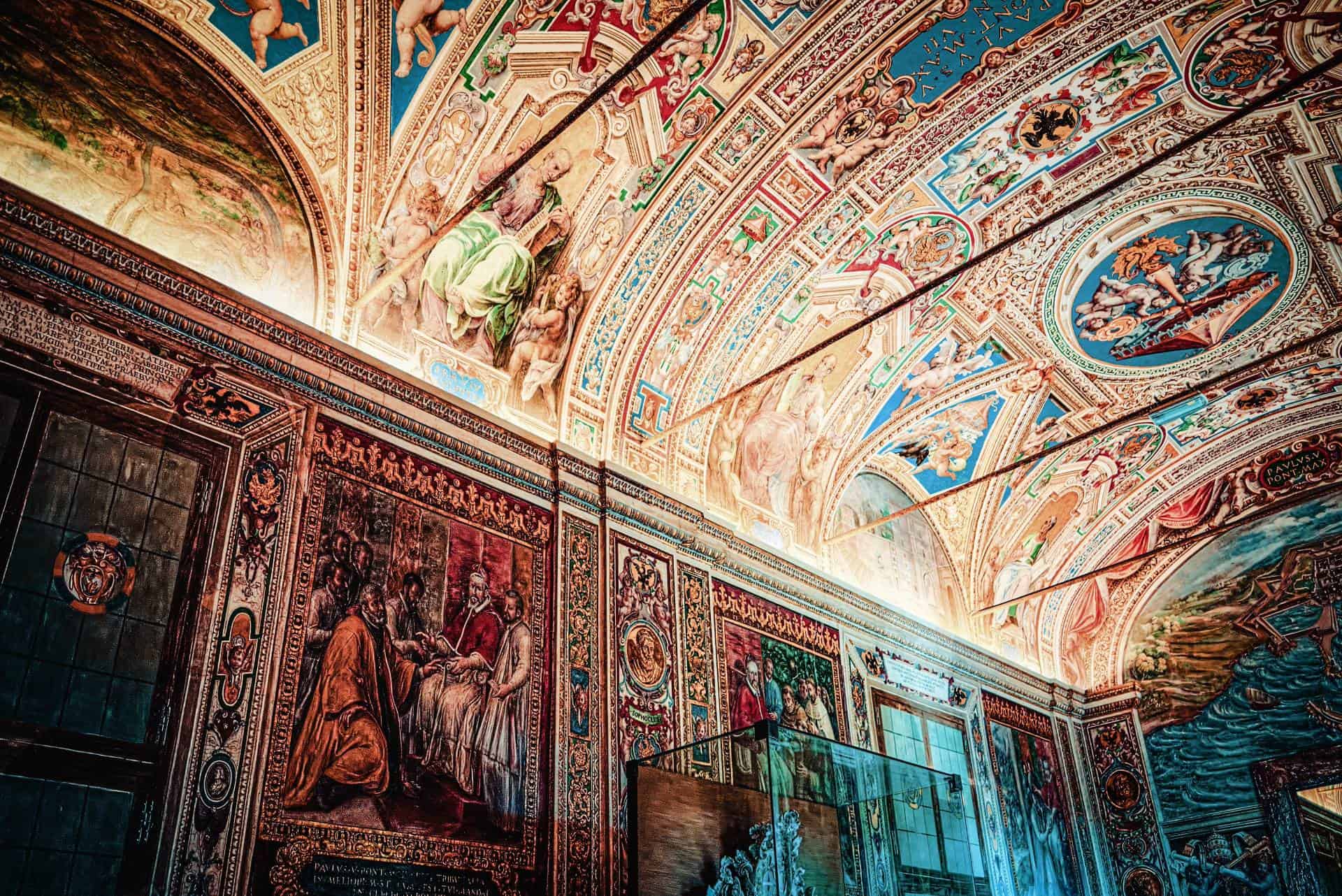
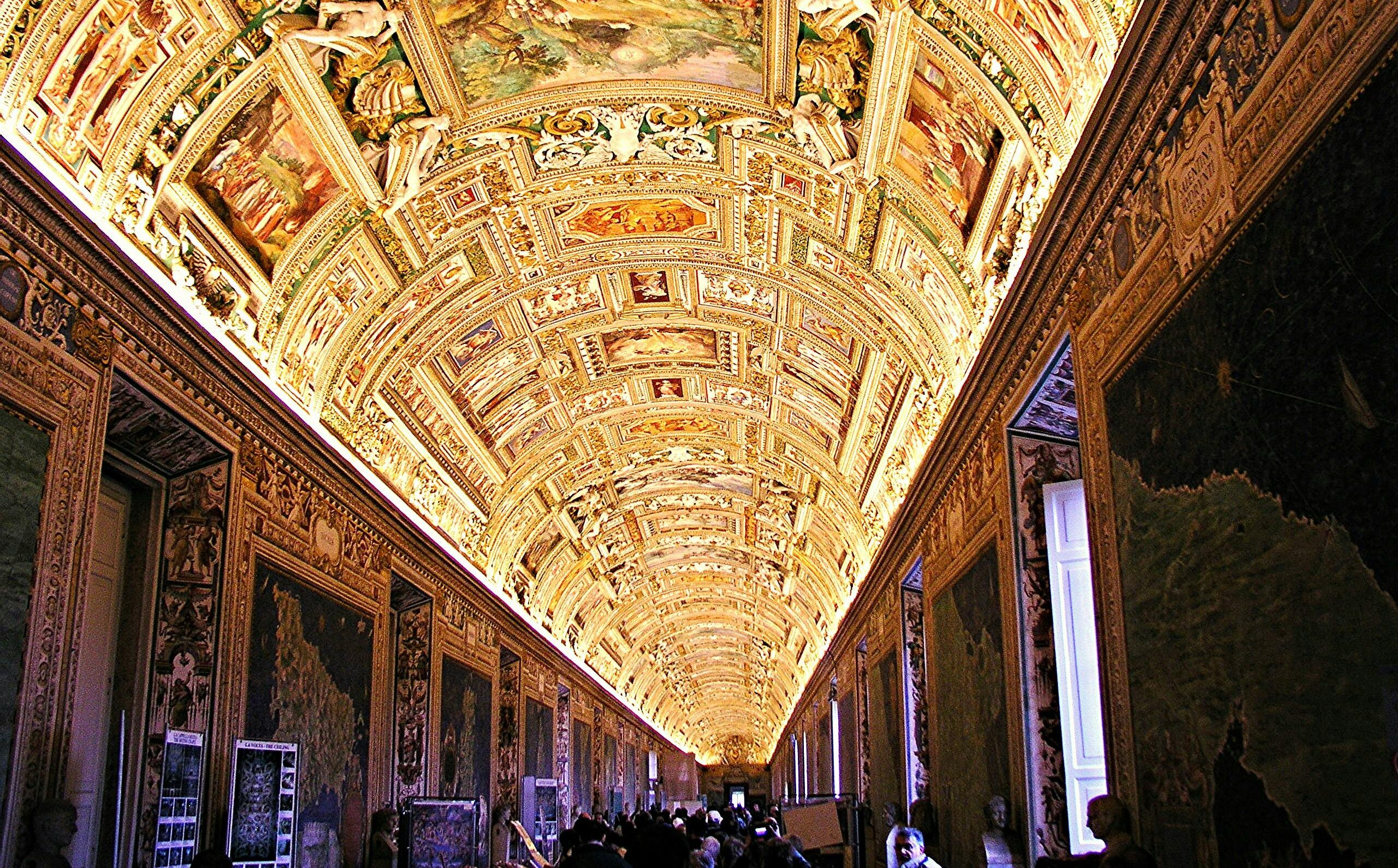
그리고 태피스트리 갤러리 in the 바티칸 박물관 is a breathtaking corridor lined with an extraordinary collection of large, intricately woven tapestries. This long gallery, which stretches nearly 75 meters, was designed in the 16th century during the papacy of Pope Clement VII and is one of the highlights of the museum’s collection. The tapestries were originally crafted in Brussels by the renowned Flemish weavers of the workshop of Pieter van Aelst, based on designs by students of Raphael.

These tapestries depict scenes from the life of Christ, the apostles, and various biblical events, showcasing a combination of vivid colors and exquisite detail that bring the stories to life. The craftsmanship is remarkable, with rich textures and complex compositions that demonstrate the skill and artistry of the weavers. One of the most famous tapestries is the depiction of the Resurrection of Christ, which seems to change perspective as you walk by, creating a fascinating optical illusion.

The Gallery of Tapestries is part of the Vatican Museums’ main route and provides visitors with an opportunity to appreciate the luxurious and symbolic nature of Renaissance-era textile art. Each tapestry is a masterpiece in its own right, offering a glimpse into the wealth and grandeur of the papal court during the Renaissance.

유용한 정보

영업 시간:

  • 월요일 - 토요일: 오전 9시부터 오후 6시까지(오후 4시 입장 마감).
  • 매월 마지막 주 일요일: 오전 9시부터 오후 2시까지 무료 입장(입장 마감은 오후 12시 30분).
  • 휴무일: 일요일(매월 마지막 일요일 제외) 및 크리스마스, 부활절과 같은 특정 종교 공휴일.

티켓:

  • 긴 줄을 서지 않으려면 미리 온라인으로 티켓을 구매하는 것이 좋습니다.
  • 대기 시간을 줄이기 위해 시간 지정 입장권을 예약할 수 있습니다.
  • 어린이, 학생, 단체는 할인 혜택을 받을 수 있습니다.
  • 오디오 가이드와 가이드 투어는 다양한 언어로 제공됩니다.

찾아가는 방법

The Gallery of Tapestries is located within the Vatican Museums, along the route that leads visitors toward the Sistine Chapel. It is part of the Vatican Museums’ upper galleries, which also include the Gallery of Maps and the Gallery of Candelabra. Positioned between the Raphael Rooms and the Gallery of Maps, the Gallery of Tapestries is an integral part of the museum’s path, making it a must-see for visitors as they progress through some of the most famous sections of the Vatican Museums.

역사

그리고 태피스트리 갤러리 reflects a time when tapestry was one of the most prestigious visual arts in Europe. Unlike paintings fixed to a wall, tapestries were often created for ceremonial spaces and could be displayed to transform a room into a narrative environment. Their value came from both artistry and labor: the ability to translate complex scenes into thread, color, and texture at monumental scale.

In the Vatican context, tapestry also served communication. Large woven scenes could teach, reinforce belief, and project authority through images that were readable across a space. The medium encouraged bold composition and clear storytelling, because the works were designed to be seen by many people at once, often in formal settings. That purpose still shapes the visitor experience today: you feel the scale first, then discover the detail when you move closer.

The Vatican’s collecting history helped preserve tapestry as part of a broader museum narrative. While many travelers arrive focused on frescoes and marble, the tapestry gallery reminds you that the Vatican’s cultural world was never limited to one medium. It included textiles, maps, painting, sculpture, and decorative arts working together to create a complete visual language.

Today, walking this corridor is a way of experiencing art as architecture: images becoming walls, stories becoming space, and craftsmanship becoming atmosphere. It is a distinctly Vatican kind of history lesson—less about one artist’s signature, more about how the papal world assembled multiple art forms to create an experience that still holds power over a modern visitor’s attention.

그리고 태피스트리 갤러리 reflects a time when tapestry was one of the most prestigious visual arts in Europe. Unlike paintings fixed to a wall, tapestries were often created for ceremonial spaces and could be displayed to transform a room into a narrative environment. Their value came from both artistry and labor: the ability to translate complex scenes into thread, color, and texture at monumental scale.

In the Vatican context, tapestry also served communication. Large woven scenes could teach, reinforce belief, and project authority through images that were readable across a space. The medium encouraged bold composition and clear storytelling, because the works were designed to be seen by many people at once, often in formal settings. That purpose still shapes the visitor experience today: you feel the scale first, then discover the detail when you move closer.

The Vatican’s collecting history helped preserve tapestry as part of a broader museum narrative. While many travelers arrive focused on frescoes and marble, the tapestry gallery reminds you that the Vatican’s cultural world was never limited to one medium. It included textiles, maps, painting, sculpture, and decorative arts working together to create a complete visual language.

Today, walking this corridor is a way of experiencing art as architecture: images becoming walls, stories becoming space, and craftsmanship becoming atmosphere. It is a distinctly Vatican kind of history lesson—less about one artist’s signature, more about how the papal world assembled multiple art forms to create an experience that still holds power over a modern visitor’s attention.

자세히 보기

리뷰

바티칸 박물관의 인기 체험

위로 스크롤