비공식 웹사이트

Raphael in Julius II Rooms

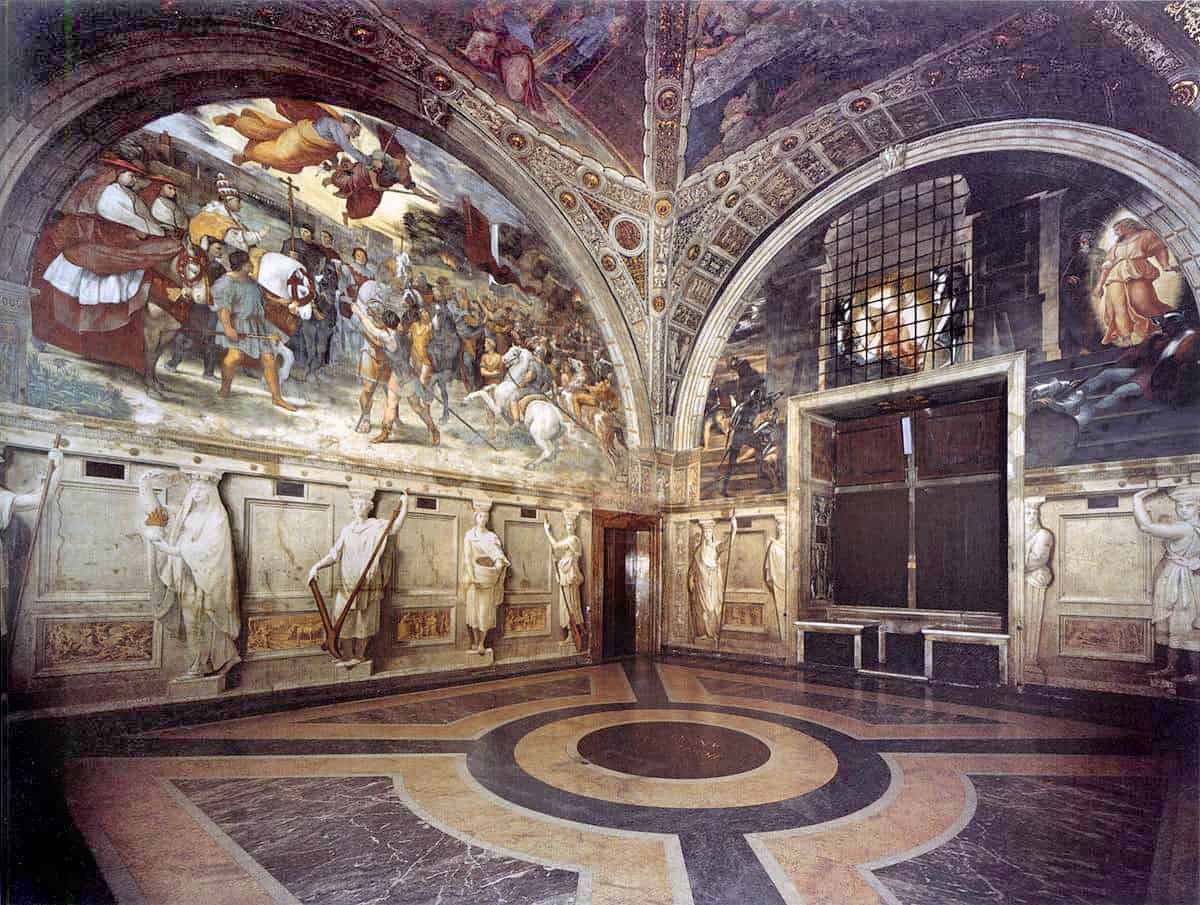
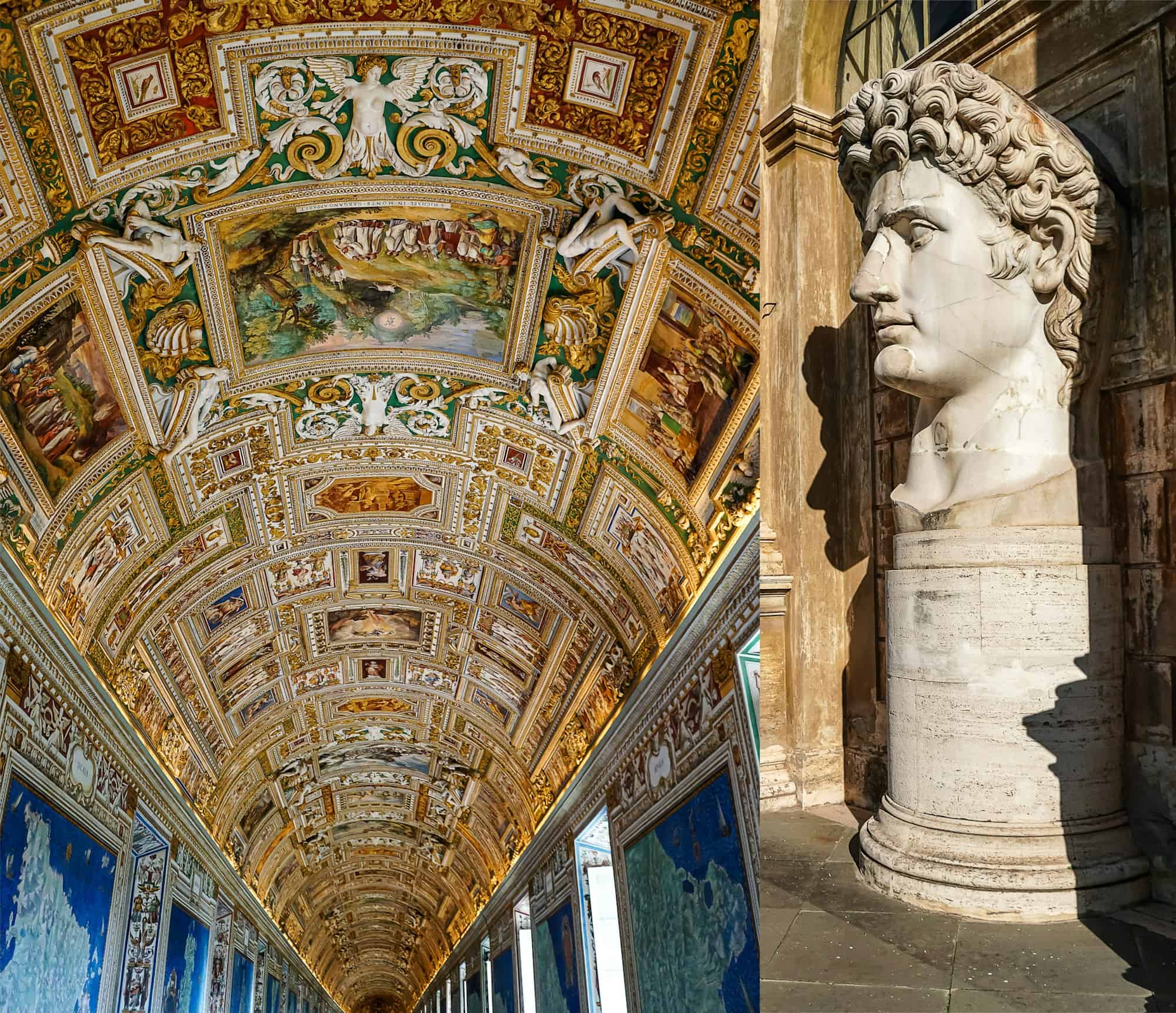
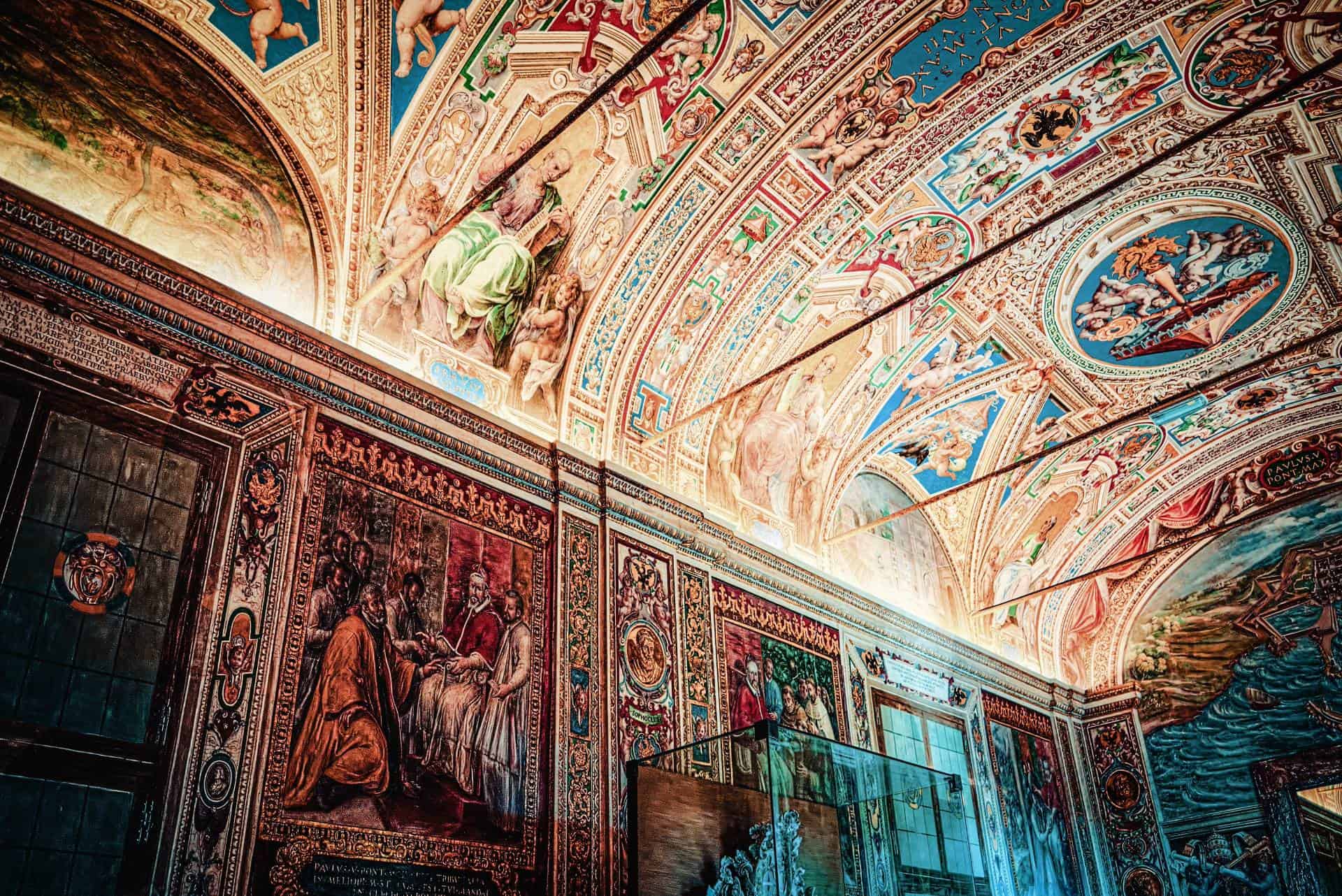
그리고 파팔 아파트바티칸 박물관, also known as the 라파엘 룸, are a complex of rooms decorated for the popes over the centuries. These spaces, famous for the frescoes by the Renaissance master Raphael, are among the Vatican’s most precious masterpieces. Each room is a stunning display of art and history, with scenes that celebrate religion, philosophy, and the culture of the time. Visiting them allows you to immerse yourself in the atmosphere of the Renaissance papal court, surrounded by artistic treasures of inestimable value.

유용한 정보

영업 시간:

  • Monday – Saturday: 9:00 AM to 6:00 PM (last entry at 4:00 PM).
  • 매월 마지막 주 일요일: 오전 9시부터 오후 2시까지 무료 입장(입장 마감은 오후 12시 30분).
  • 휴무일: 일요일(매월 마지막 일요일 제외) 및 크리스마스, 부활절과 같은 특정 종교 공휴일.

티켓:

  • 긴 줄을 서지 않으려면 미리 온라인으로 티켓을 구매하는 것이 좋습니다.
  • 대기 시간을 줄이기 위해 시간 지정 입장권을 예약할 수 있습니다.
  • 어린이, 학생, 단체는 할인 혜택을 받을 수 있습니다.
  • 오디오 가이드와 가이드 투어는 다양한 언어로 제공됩니다.

찾아가는 방법

The Papal Apartments, known as the Raphael Rooms, are located within the Vatican Museums, specifically in the Vatican Apostolic Palace.

역사

그리고 파팔 아파트 most visitors encounter inside the Vatican Museums are closely tied to the public apartments of Pope Julius II. In these rooms, the papacy used art as a language of authority—an environment where learning, faith, and power could be made visible through image, symbolism, and architectural illusion. That is why the experience feels different from a standard gallery: the rooms were designed to speak on behalf of the institution, not simply to display “beautiful things.”

The defining chapter here is the work of Raphael, commissioned by Julius II to cover the apartments with frescoes. The best-known scene, the School of Athens, centers on Plato 그리고 Aristotle in debate, surrounded by other great minds of antiquity. The sophistication lies in the way the fresco uses perspective, composition, and symbols to stage knowledge as something ordered and authoritative—exactly the kind of statement that mattered inside a papal setting.

These apartments also belong to a larger Renaissance moment shaped by artistic rivalry and ambition. Raphael was a contemporary of 미켈란젤로, and the Vatican visit places these peaks of Renaissance art within a single sequence: frescoed papal rooms leading onward toward the 시스티나 성당. Seen this way, the Papal Apartments are not just a highlight on the route. They are a hinge in the Vatican’s cultural narrative, where private power becomes public image through art that still holds attention, centuries later.

그리고 파팔 아파트 most visitors encounter inside the Vatican Museums are closely tied to the public apartments of Pope Julius II. In these rooms, the papacy used art as a language of authority—an environment where learning, faith, and power could be made visible through image, symbolism, and architectural illusion. That is why the experience feels different from a standard gallery: the rooms were designed to speak on behalf of the institution, not simply to display “beautiful things.”

The defining chapter here is the work of Raphael, commissioned by Julius II to cover the apartments with frescoes. The best-known scene, the School of Athens, centers on Plato 그리고 Aristotle in debate, surrounded by other great minds of antiquity. The sophistication lies in the way the fresco uses perspective, composition, and symbols to stage knowledge as something ordered and authoritative—exactly the kind of statement that mattered inside a papal setting.

These apartments also belong to a larger Renaissance moment shaped by artistic rivalry and ambition. Raphael was a contemporary of 미켈란젤로, and the Vatican visit places these peaks of Renaissance art within a single sequence: frescoed papal rooms leading onward toward the 시스티나 성당. Seen this way, the Papal Apartments are not just a highlight on the route. They are a hinge in the Vatican’s cultural narrative, where private power becomes public image through art that still holds attention, centuries later.

자세히 보기

리뷰

바티칸 박물관의 인기 체험

위로 스크롤