非官方网站

Raphael Rooms at the Vatican

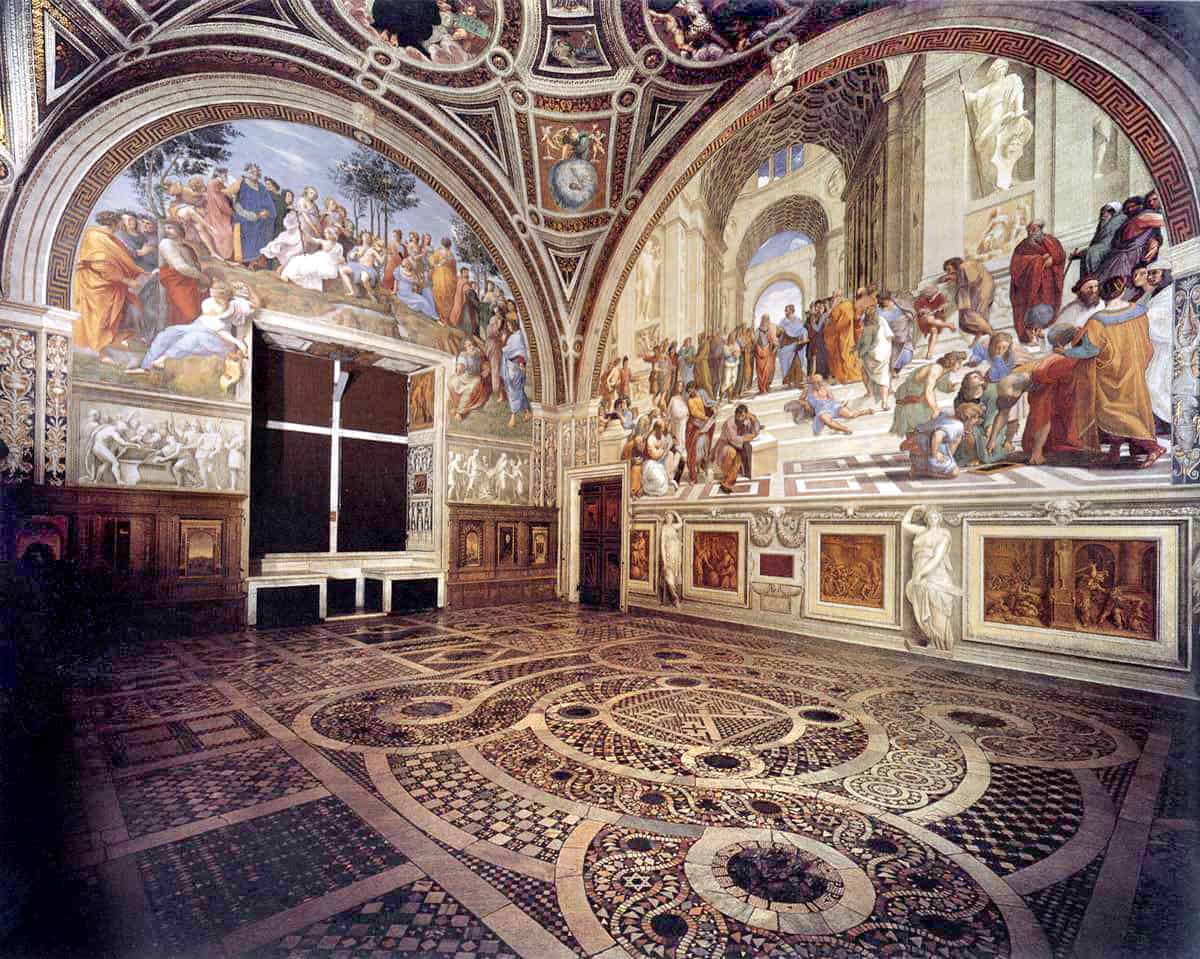
"(《世界人权宣言》) 拉斐尔房间 (Stanze di Raffaello) are a series of four beautifully frescoed rooms located in the Vatican Museums, famous for their stunning artwork by the Renaissance master Raphael and his workshop. Commissioned by Pope Julius II in the early 16th century, these rooms were originally intended to serve as the pope’s private apartments and later became one of the highlights of the Vatican’s art collection.

The four rooms—The Hall of Constantine, The Room of Heliodorus, The Room of the Segnatura, and The Room of the Fire in the Borgo—each feature frescoes that depict significant historical and religious events. The most famous room, the Room of the Segnatura, contains some of Raphael’s most iconic works, including The School of Athens, a masterpiece that represents the gathering of great philosophers and scientists. The frescoes in these rooms combine profound philosophical and theological themes with Raphael’s mastery of composition, color, and depth.

The Raphael Rooms are located along the Vatican Museums’ main route, just before the Sistine Chapel, and are considered some of the most important works of art from the High Renaissance. These frescoes offer visitors a chance to experience Raphael’s artistic genius up close and reflect on the cultural and intellectual ideas of the period.

实用信息

开放时间

  • 星期一至星期六上午 9:00 至下午 6:00(最后入场时间为下午 4:00)。.
  • 每月最后一个周日:上午 9:00 至下午 2:00(最后入场时间为下午 12:30)免费入场。.
  • 休息日周日(每月最后一个周日除外)和某些宗教节日,如圣诞节和复活节。.

门票

  • 建议提前在网上购票,以免排长队。.
  • 门票可预订定时入场,以减少等候时间。.
  • 儿童、学生和团体可享受折扣。.
  • 提供各种语言的语音导览和导游服务。.

如何前往

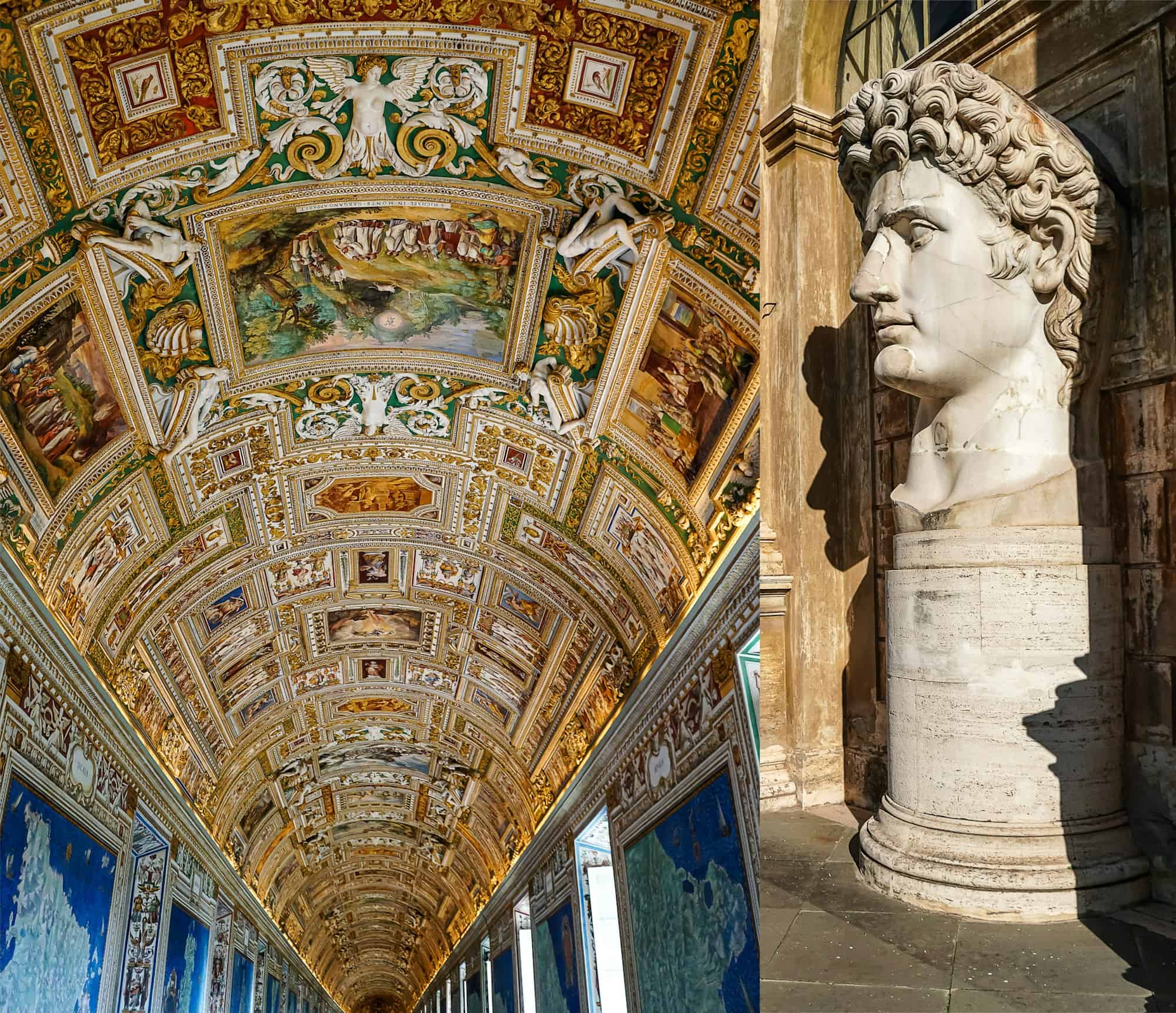
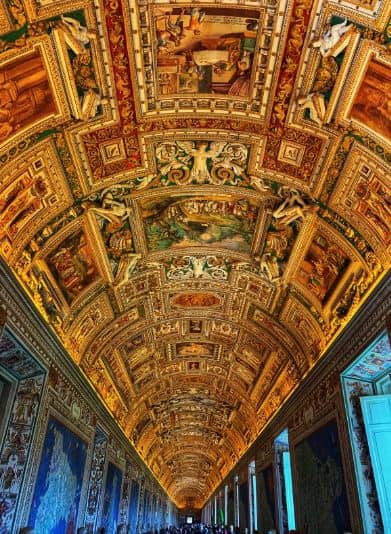
The Raphael Rooms are located within the Vatican Museums, specifically in the Apostolic Palace, which is part of the Vatican complex. These rooms are situated along the main visitor route, following the Pio-Clementine Museum and the Gallery of Maps, and leading toward the Sistine Chapel.

历史

"(《世界人权宣言》) 拉斐尔房间 (Stanze di Raffaello) are located within the public apartments associated with 教皇朱利叶斯二世, who commissioned Raphael to decorate the spaces with frescoes. The commission matters because it explains the character of the Rooms: they were designed to communicate authority, learning, and cultural ambition through a visual program that could surround a visitor, not just impress them from a distance.

Raphael’s frescoes are widely associated with the High Renaissance, and their impact comes from a balance that feels natural even when it’s extraordinarily engineered. The Rooms are famous for their use of perspective, symbolic structure, and a composition style that guides the viewer’s attention without chaos. The standout scene, The School of Athens, stages a gathering of ancient thinkers as a living idea of knowledge, debate, and intellectual lineage—painted as if the viewer has walked directly into the conversation.

The historical thrill of visiting the Vatican route is also the proximity of rival genius. The narrative often told on-site is that Raphael and 米开朗基罗 were producing defining works at the same time, each representing the pinnacle of Renaissance art in a different language. Seeing Raphael’s frescoed rooms on the way to Michelangelo’s 西斯廷教堂 creates a built-in arc: the Rooms feel like the museum’s intellectual core, while the Chapel functions as a culminating emotional and visual finale.

"(《世界人权宣言》) 拉斐尔房间 (Stanze di Raffaello) are located within the public apartments associated with 教皇朱利叶斯二世, who commissioned Raphael to decorate the spaces with frescoes. The commission matters because it explains the character of the Rooms: they were designed to communicate authority, learning, and cultural ambition through a visual program that could surround a visitor, not just impress them from a distance.

Raphael’s frescoes are widely associated with the High Renaissance, and their impact comes from a balance that feels natural even when it’s extraordinarily engineered. The Rooms are famous for their use of perspective, symbolic structure, and a composition style that guides the viewer’s attention without chaos. The standout scene, The School of Athens, stages a gathering of ancient thinkers as a living idea of knowledge, debate, and intellectual lineage—painted as if the viewer has walked directly into the conversation.

The historical thrill of visiting the Vatican route is also the proximity of rival genius. The narrative often told on-site is that Raphael and 米开朗基罗 were producing defining works at the same time, each representing the pinnacle of Renaissance art in a different language. Seeing Raphael’s frescoed rooms on the way to Michelangelo’s 西斯廷教堂 creates a built-in arc: the Rooms feel like the museum’s intellectual core, while the Chapel functions as a culminating emotional and visual finale.

显示更多

评论

小贴士

梵蒂冈博物馆的顶级体验

滚动至顶部