非官方网站

Egyptian treasures inside the Vatican

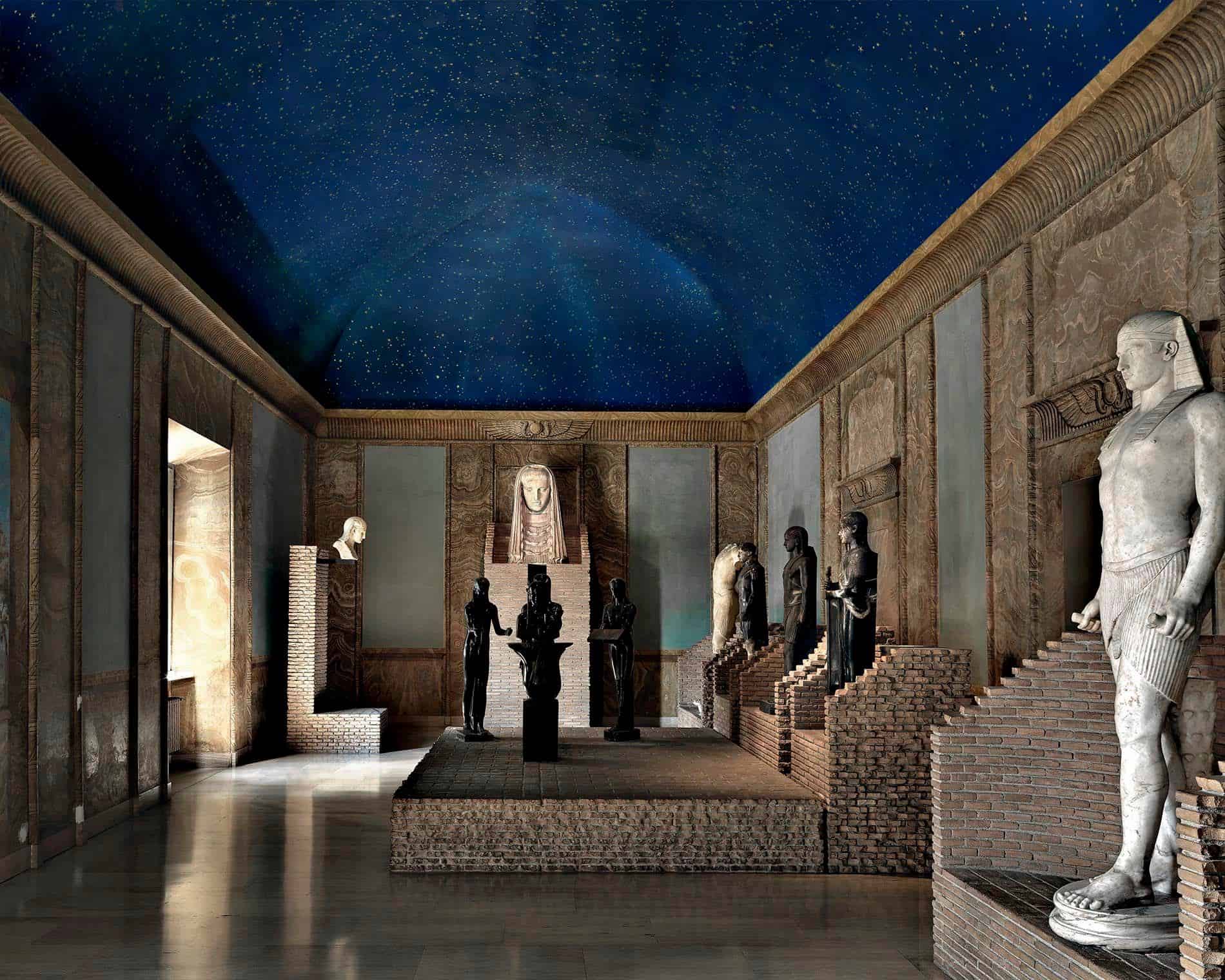
"(《世界人权宣言》) 格里高利埃及博物馆 in the 梵蒂冈博物馆 is a fascinating collection dedicated to the art and culture of ancient Egypt. Founded by Pope Gregory XVI in 1839, the museum offers a captivating journey through the religious beliefs, burial practices, and daily life of the ancient Egyptian civilization. Spread across nine rooms, the collection includes a wide variety of artifacts, such as statues of deities, mummies, sarcophagi, stelae, and richly decorated funerary objects.

Among the museum’s highlights are the well-preserved mummies and elaborately painted coffins, which provide insight into Egyptian burial traditions and the belief in the afterlife. Visitors can also admire impressive statues of Egyptian gods and pharaohs, such as the famous statue of Ramses II, along with fascinating examples of hieroglyphic texts. The museum also features objects from ancient Mesopotamia and Assyria, providing a broader view of ancient civilizations in the region.

The Gregorian Egyptian Museum is an essential stop for anyone interested in the art, history, and spiritual practices of ancient Egypt, offering a rare glimpse into one of the world’s most influential civilizations within the heart of the Vatican Museums.

实用信息

开放时间

  • 星期一至星期六上午 9:00 至下午 6:00(最后入场时间为下午 4:00)。.
  • 每月最后一个周日:上午 9:00 至下午 2:00(最后入场时间为下午 12:30)免费入场。.
  • 休息日周日(每月最后一个周日除外)和某些宗教节日,如圣诞节和复活节。.

门票

  • 建议提前在网上购票,以免排长队。.
  • 门票可预订定时入场,以减少等候时间。.
  • 儿童、学生和团体可享受折扣。.
  • 提供各种语言的语音导览和导游服务。.

如何前往

The Gregorian Egyptian Museum is located within the Vatican Museums complex, specifically in the Vatican Palace. It is situated in the area near the Pio-Clementine Museum and the Gregorian Etruscan Museum, forming part of the larger collection of ancient art.

历史

"(《世界人权宣言》) 格里高利埃及博物馆 was created in the 19th century as part of a wider Vatican effort to organize and present world cultures through specialized museum collections. Founded on the initiative of Pope Gregory XVI in 1839, it reflects a moment when Egyptian antiquities captured the European imagination and collecting was tied to scholarship, prestige, and the desire to preserve material history in institutional settings.

What makes this museum distinct inside the Vatican is its dual role. On one level, it holds Egyptian objects connected to religion, burial practices, and daily life—artifacts meant to endure across time and speak through material and inscription. On another level, it also illustrates how Egypt’s imagery and objects were reinterpreted in the Roman world, turning the collection into a bridge between cultures rather than a sealed-off “Egypt-only” room.

Over time, the museum’s scope expanded in ways that mirror modern museum practice: creating an itinerary that helps visitors read different periods and contexts side by side, rather than treating antiquities as isolated trophies. Within the Vatican Museums today, the Gregorian Egyptian Museum stands as a reminder that the Vatican’s collections are not only about the Renaissance and the papacy, but also about the broader history of collecting, scholarship, and cultural exchange in 罗马.

"(《世界人权宣言》) 格里高利埃及博物馆 was created in the 19th century as part of a wider Vatican effort to organize and present world cultures through specialized museum collections. Founded on the initiative of Pope Gregory XVI in 1839, it reflects a moment when Egyptian antiquities captured the European imagination and collecting was tied to scholarship, prestige, and the desire to preserve material history in institutional settings.

What makes this museum distinct inside the Vatican is its dual role. On one level, it holds Egyptian objects connected to religion, burial practices, and daily life—artifacts meant to endure across time and speak through material and inscription. On another level, it also illustrates how Egypt’s imagery and objects were reinterpreted in the Roman world, turning the collection into a bridge between cultures rather than a sealed-off “Egypt-only” room.

Over time, the museum’s scope expanded in ways that mirror modern museum practice: creating an itinerary that helps visitors read different periods and contexts side by side, rather than treating antiquities as isolated trophies. Within the Vatican Museums today, the Gregorian Egyptian Museum stands as a reminder that the Vatican’s collections are not only about the Renaissance and the papacy, but also about the broader history of collecting, scholarship, and cultural exchange in 罗马.

显示更多

评论

小贴士

梵蒂冈博物馆的顶级体验

滚动至顶部