Unofficial Website

Raphael in Julius II Rooms

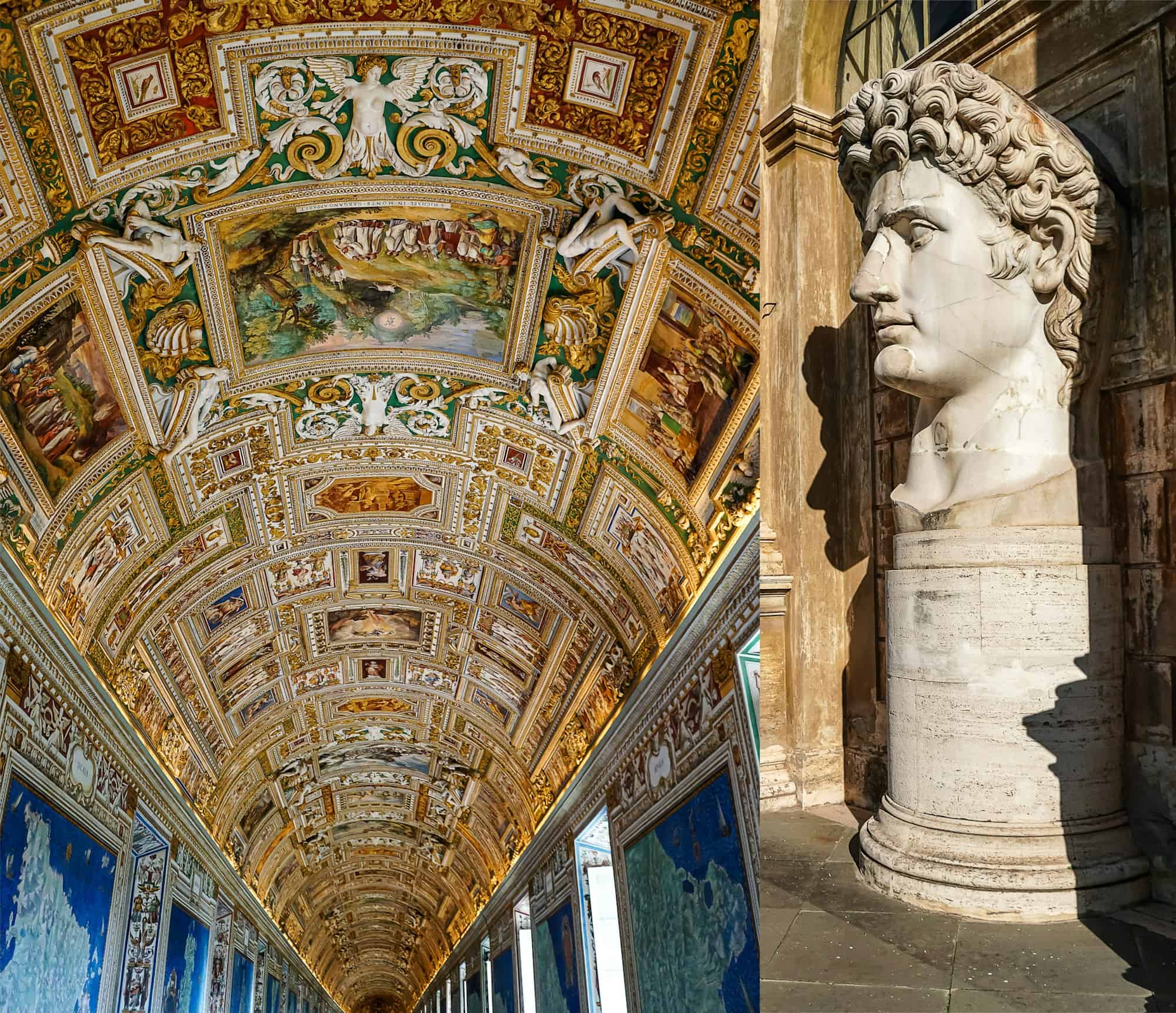
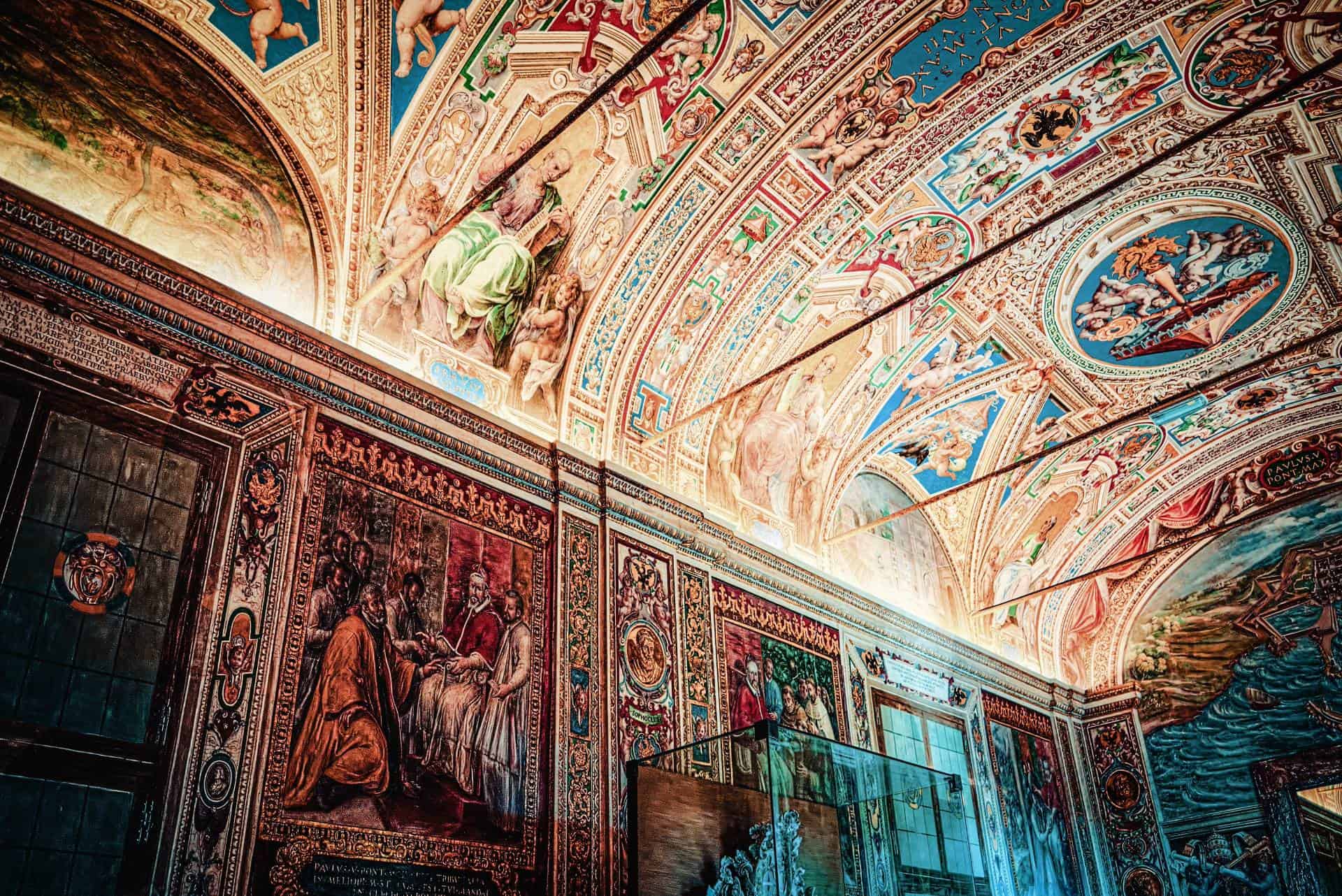
The Papal Apartments of the Vatican Museums, also known as the Raphael Rooms, are a complex of rooms decorated for the popes over the centuries. These spaces, famous for the frescoes by the Renaissance master Raphael, are among the Vatican’s most precious masterpieces. Each room is a stunning display of art and history, with scenes that celebrate religion, philosophy, and the culture of the time. Visiting them allows you to immerse yourself in the atmosphere of the Renaissance papal court, surrounded by artistic treasures of inestimable value.

Useful information

Opening hours:

  • Monday – Saturday: 9:00 AM to 6:00 PM (last entry at 4:00 PM).
  • Last Sunday of the month: free entry from 9:00 AM to 2:00 PM (last entry at 12:30 PM).
  • Closed days: Sundays (except the last Sunday of the month) and certain religious holidays such as Christmas and Easter.

Tickets:

  • It is advisable to purchase tickets online in advance to avoid long lines.
  • Tickets can be booked with timed entry to reduce waiting times.
  • Discounts are available for children, students, and groups.
  • Audioguides and guided tours are available in various languages.

How to get there

The Papal Apartments, known as the Raphael Rooms, are located within the Vatican Museums, specifically in the Vatican Apostolic Palace.

History

The Papal Apartments most visitors encounter inside the Vatican Museums are closely tied to the public apartments of Pope Julius II. In these rooms, the papacy used art as a language of authority—an environment where learning, faith, and power could be made visible through image, symbolism, and architectural illusion. That is why the experience feels different from a standard gallery: the rooms were designed to speak on behalf of the institution, not simply to display “beautiful things.”

The defining chapter here is the work of Raphael, commissioned by Julius II to cover the apartments with frescoes. The best-known scene, the School of Athens, centers on Plato and Aristotle in debate, surrounded by other great minds of antiquity. The sophistication lies in the way the fresco uses perspective, composition, and symbols to stage knowledge as something ordered and authoritative—exactly the kind of statement that mattered inside a papal setting.

These apartments also belong to a larger Renaissance moment shaped by artistic rivalry and ambition. Raphael was a contemporary of Michelangelo, and the Vatican visit places these peaks of Renaissance art within a single sequence: frescoed papal rooms leading onward toward the Sistine Chapel. Seen this way, the Papal Apartments are not just a highlight on the route. They are a hinge in the Vatican’s cultural narrative, where private power becomes public image through art that still holds attention, centuries later.
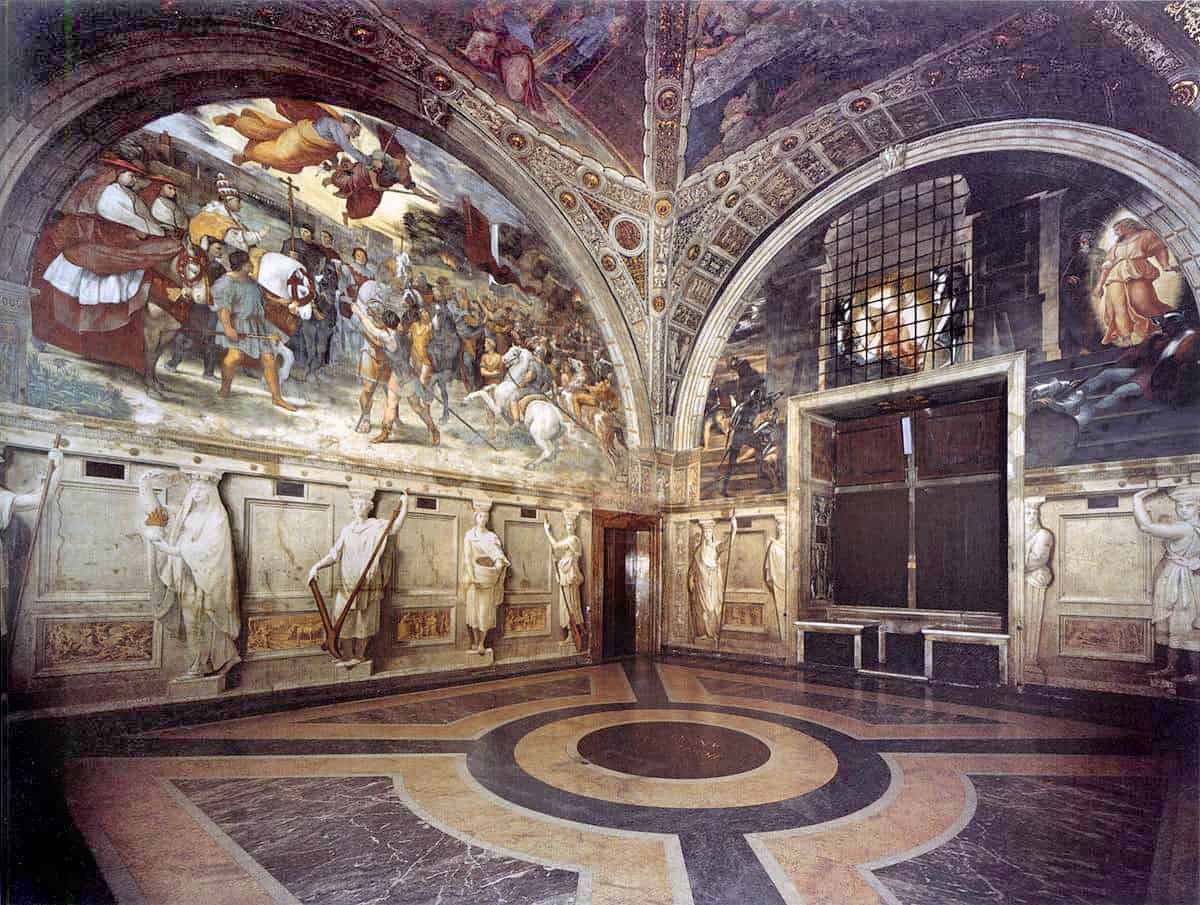

The Papal Apartments most visitors encounter inside the Vatican Museums are closely tied to the public apartments of Pope Julius II. In these rooms, the papacy used art as a language of authority—an environment where learning, faith, and power could be made visible through image, symbolism, and architectural illusion. That is why the experience feels different from a standard gallery: the rooms were designed to speak on behalf of the institution, not simply to display “beautiful things.”

The defining chapter here is the work of Raphael, commissioned by Julius II to cover the apartments with frescoes. The best-known scene, the School of Athens, centers on Plato and Aristotle in debate, surrounded by other great minds of antiquity. The sophistication lies in the way the fresco uses perspective, composition, and symbols to stage knowledge as something ordered and authoritative—exactly the kind of statement that mattered inside a papal setting.

These apartments also belong to a larger Renaissance moment shaped by artistic rivalry and ambition. Raphael was a contemporary of Michelangelo, and the Vatican visit places these peaks of Renaissance art within a single sequence: frescoed papal rooms leading onward toward the Sistine Chapel. Seen this way, the Papal Apartments are not just a highlight on the route. They are a hinge in the Vatican’s cultural narrative, where private power becomes public image through art that still holds attention, centuries later.

Show more

Reviews

Tips

Vatican Museums's Top Experiences

Scroll to Top