Uofficiel hjemmeside

Egyptian treasures inside the Vatican

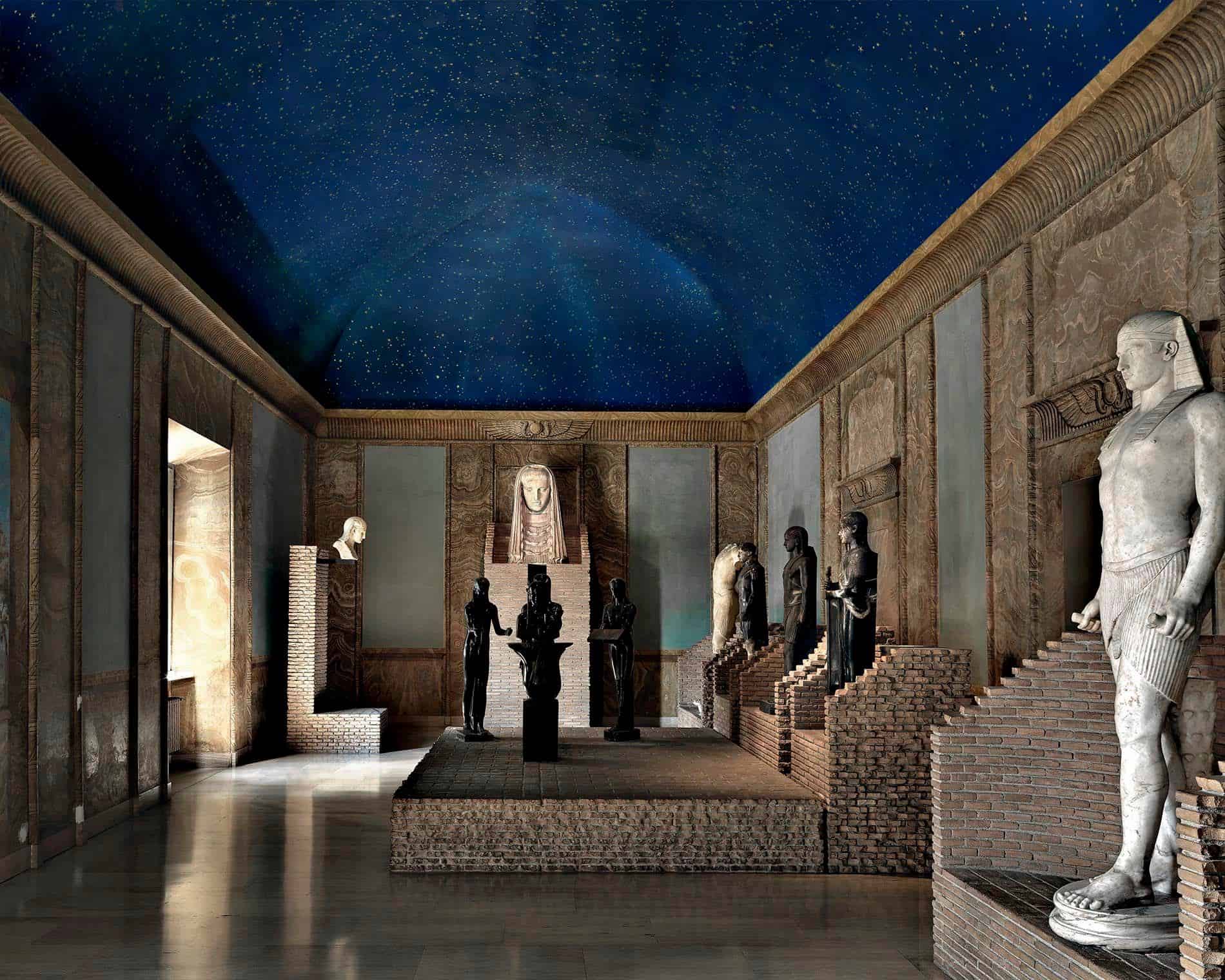
Den Gregoriansk egyptisk museum in the Vatikanets museer is a fascinating collection dedicated to the art and culture of ancient Egypt. Founded by Pope Gregory XVI in 1839, the museum offers a captivating journey through the religious beliefs, burial practices, and daily life of the ancient Egyptian civilization. Spread across nine rooms, the collection includes a wide variety of artifacts, such as statues of deities, mummies, sarcophagi, stelae, and richly decorated funerary objects.

Among the museum’s highlights are the well-preserved mummies and elaborately painted coffins, which provide insight into Egyptian burial traditions and the belief in the afterlife. Visitors can also admire impressive statues of Egyptian gods and pharaohs, such as the famous statue of Ramses II, along with fascinating examples of hieroglyphic texts. The museum also features objects from ancient Mesopotamia and Assyria, providing a broader view of ancient civilizations in the region.

The Gregorian Egyptian Museum is an essential stop for anyone interested in the art, history, and spiritual practices of ancient Egypt, offering a rare glimpse into one of the world’s most influential civilizations within the heart of the Vatican Museums.

Nyttige oplysninger

Åbningstider:

  • Mandag - lørdag: 9:00 til 18:00 (sidste adgang kl. 16:00).
  • Sidste søndag i måneden: gratis adgang fra kl. 9.00 til 14.00 (sidste adgang kl. 12.30).
  • Lukkede dage: Søndage (undtagen den sidste søndag i måneden) og visse religiøse helligdage som jul og påske.

Billetter:

  • Det anbefales at købe billetter online på forhånd for at undgå lange køer.
  • Billetter kan bestilles med tidsbestemt adgang for at reducere ventetiden.
  • Der gives rabat til børn, studerende og grupper.
  • Audioguides og guidede ture er tilgængelige på forskellige sprog.

Sådan kommer du derhen

The Gregorian Egyptian Museum is located within the Vatican Museums complex, specifically in the Vatican Palace. It is situated in the area near the Pio-Clementine Museum and the Gregorian Etruscan Museum, forming part of the larger collection of ancient art.

Historie

Den Gregoriansk egyptisk museum was created in the 19th century as part of a wider Vatican effort to organize and present world cultures through specialized museum collections. Founded on the initiative of Pope Gregory XVI in 1839, it reflects a moment when Egyptian antiquities captured the European imagination and collecting was tied to scholarship, prestige, and the desire to preserve material history in institutional settings.

What makes this museum distinct inside the Vatican is its dual role. On one level, it holds Egyptian objects connected to religion, burial practices, and daily life—artifacts meant to endure across time and speak through material and inscription. On another level, it also illustrates how Egypt’s imagery and objects were reinterpreted in the Roman world, turning the collection into a bridge between cultures rather than a sealed-off “Egypt-only” room.

Over time, the museum’s scope expanded in ways that mirror modern museum practice: creating an itinerary that helps visitors read different periods and contexts side by side, rather than treating antiquities as isolated trophies. Within the Vatican Museums today, the Gregorian Egyptian Museum stands as a reminder that the Vatican’s collections are not only about the Renaissance and the papacy, but also about the broader history of collecting, scholarship, and cultural exchange in Rom.

Den Gregoriansk egyptisk museum was created in the 19th century as part of a wider Vatican effort to organize and present world cultures through specialized museum collections. Founded on the initiative of Pope Gregory XVI in 1839, it reflects a moment when Egyptian antiquities captured the European imagination and collecting was tied to scholarship, prestige, and the desire to preserve material history in institutional settings.

What makes this museum distinct inside the Vatican is its dual role. On one level, it holds Egyptian objects connected to religion, burial practices, and daily life—artifacts meant to endure across time and speak through material and inscription. On another level, it also illustrates how Egypt’s imagery and objects were reinterpreted in the Roman world, turning the collection into a bridge between cultures rather than a sealed-off “Egypt-only” room.

Over time, the museum’s scope expanded in ways that mirror modern museum practice: creating an itinerary that helps visitors read different periods and contexts side by side, rather than treating antiquities as isolated trophies. Within the Vatican Museums today, the Gregorian Egyptian Museum stands as a reminder that the Vatican’s collections are not only about the Renaissance and the papacy, but also about the broader history of collecting, scholarship, and cultural exchange in Rom.

Vis mere

Anmeldelser

Tips

Vatikanmuseets bedste oplevelser

Rul til toppen