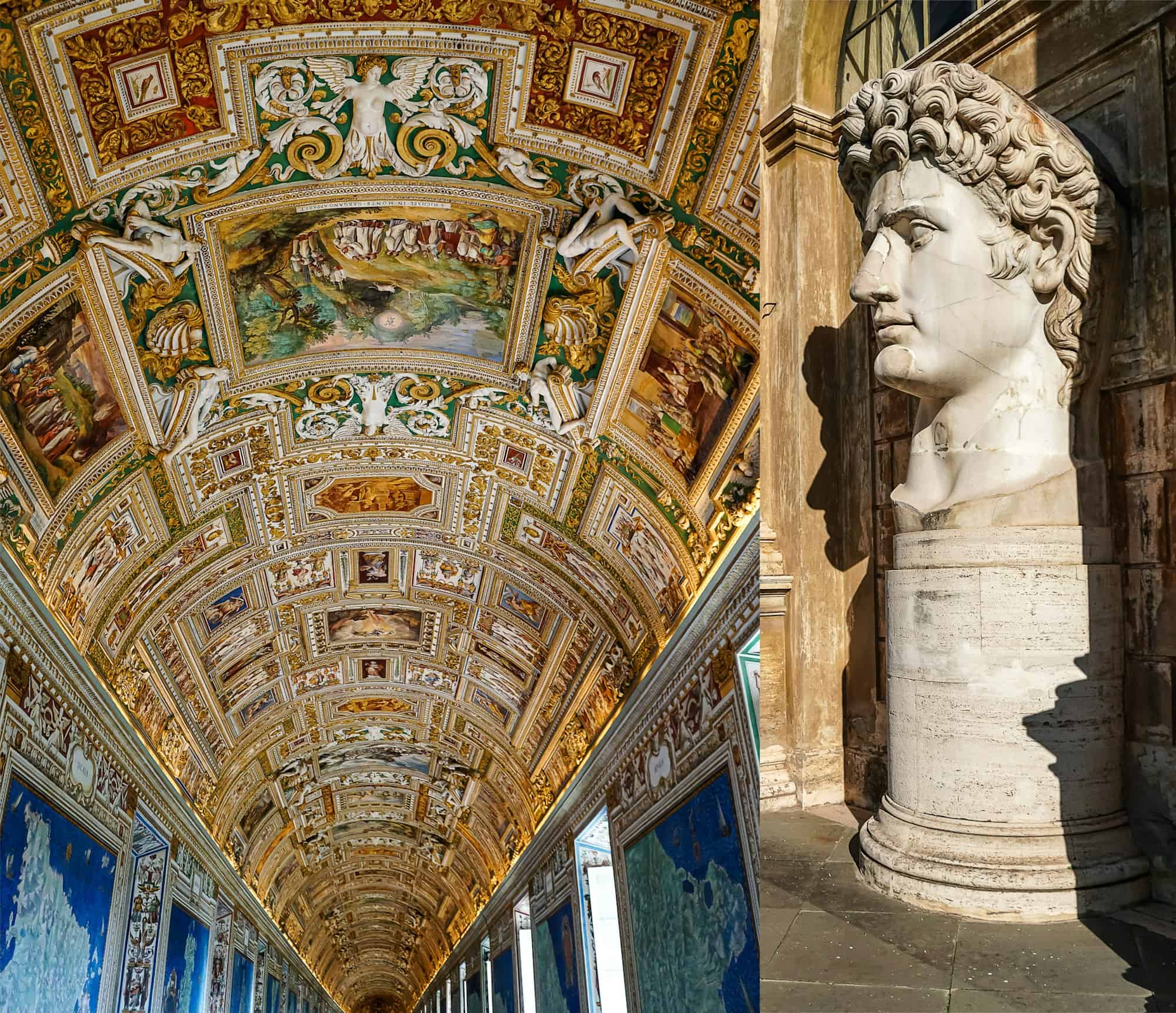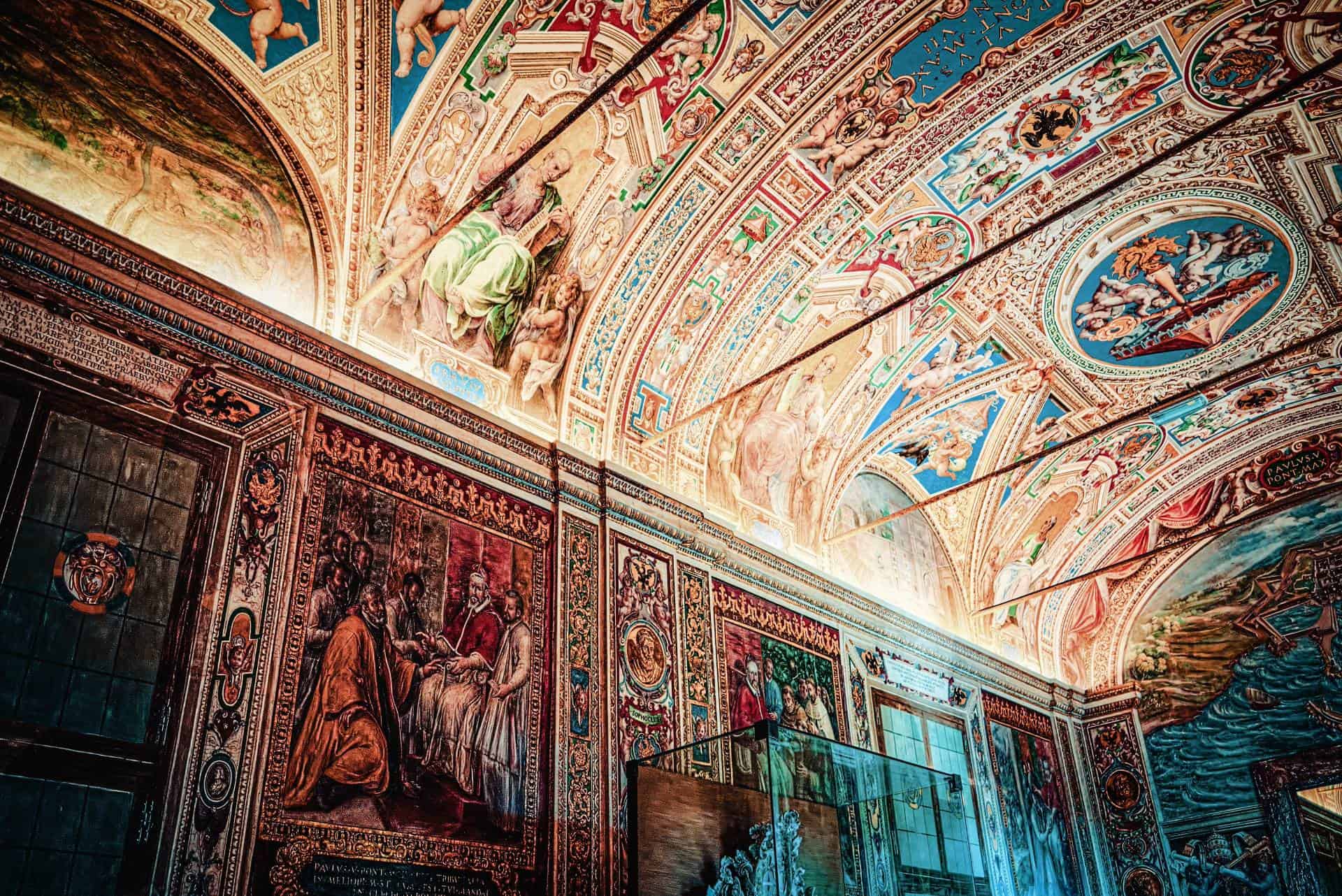
A visit to the Vatikanets museer is one of the most memorable cultural experiences in Rom, but it can also feel overwhelming if you arrive unprepared. The museums are enormous, the crowds can be intense, and the sheer quantity of art can leave even seasoned travelers unsure of where to begin. From world-famous frescoes to hidden galleries filled with ancient sculpture, every corridor seems to offer something extraordinary. That is exactly why a little planning makes such a difference. With the right approach, your visit can become less stressful, more comfortable, and far more rewarding. Many travelers make the mistake of treating the Vatican Museums like a quick stop before seeing the Sistine Chapel. In reality, this is a destination that deserves time, patience, and a bit of strategy. The museums are not only about checking off a famous site. They are about immersion in centuries of creativity, devotion, history, and power. Walking through them without a plan can mean missing some of the most beautiful and meaningful spaces. A thoughtful visit allows you to appreciate both the masterpieces and the atmosphere that make this place so unforgettable. One of the first things to understand is that timing matters. The difference between entering at the right moment and arriving during the busiest rush can shape your entire day. Choosing how to dress, what to bring, and how long to stay also plays a major role in the quality of your experience. These practical details may seem small, but together they can transform a tiring museum visit into a smooth and inspiring one.
Essential Vatican Museums Tips for a Better Visit
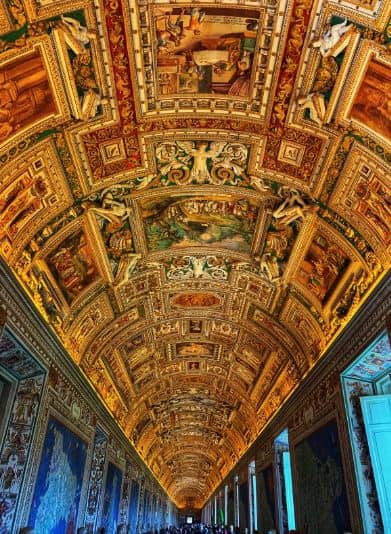
The best advice for most visitors is to book tickets in advance. This single decision can save a huge amount of time and frustration. The Vatican Museums are among the most visited attractions in the world, and lines can become very long, especially during weekends, holidays, and peak travel seasons. Pre-booked entry gives structure to your day and reduces uncertainty, allowing you to focus on the art rather than the logistics. If your schedule is flexible, aim for an early morning entry. The atmosphere tends to feel calmer, and you will have a better chance of enjoying the galleries before they become too crowded. It is also wise to wear comfortable shoes. This may sound obvious, but many people underestimate just how much walking is involved. The museums form a vast network of galleries, halls, staircases, and courtyards, and your feet will feel every one of them. Good footwear can make the difference between feeling energized halfway through the visit and wishing it would end early. Light clothing is helpful in warm months, but remember that the Vatican has a dress code. As a religious site, it requires respectful attire, meaning shoulders and knees should be covered. Planning for this in advance helps you avoid unnecessary inconvenience at the entrance. Another valuable tip is to decide before you enter what matters most to you. Some visitors are primarily interested in the Det Sixtinske Kapel. Others are drawn to the Raphael-værelser, ancient sculptures, or the stunning Galleri af kort. Because the collection is so vast, it is nearly impossible to give equal attention to everything in a single visit. Prioritizing a few highlights allows you to pace yourself and enjoy the experience more deeply. It also prevents the common feeling of museum fatigue, when masterpieces begin to blur together simply because there is too much to absorb. Guided tours can be especially useful for first-time visitors. A knowledgeable guide can provide context, explain major works clearly, and help you understand the connections between different parts of the museum. Without that background, it is easy to admire the beauty of a room without fully grasping why it matters. Audio guides can be a good alternative if you prefer independence, but some form of interpretation is often worth having. The Vatican Museums are full of stories, symbols, and historical references that become richer once they are explained.
Smart Tricks to Make Your Vatican Experience Unforgettable
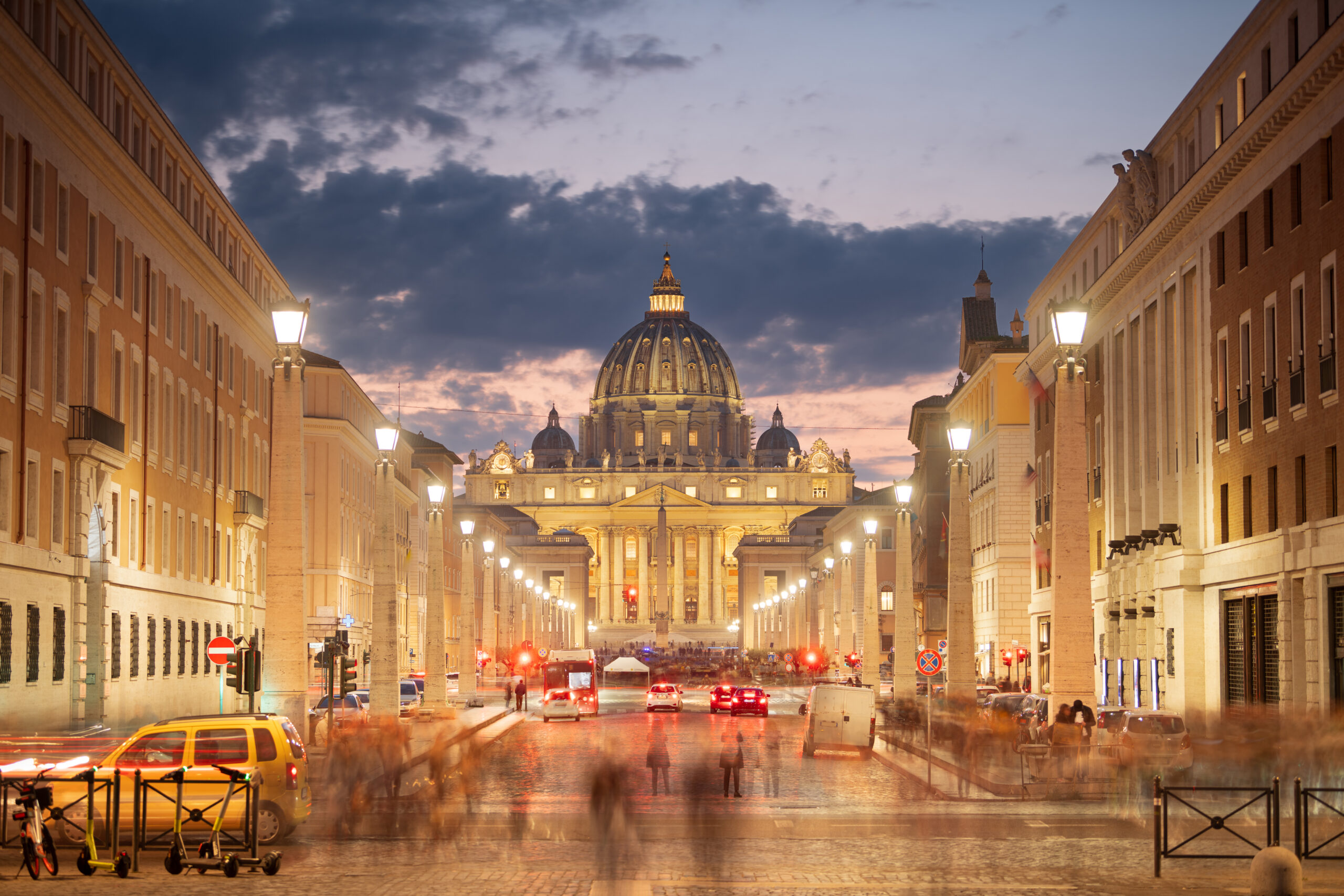
One of the smartest tricks is to slow down rather than rush. Many people arrive with a checklist mentality, eager to see the most famous places as quickly as possible. Yet the most memorable moments often happen when you pause. Take time to look up at ceilings, notice decorative details, and step into quieter galleries that other visitors may pass by. The Vatican Museums reward attention. Even a short stop in a lesser-known room can leave a lasting impression if you truly look at what is in front of you. Another helpful strategy is to build in breaks. A visit here can easily last several hours, and mental fatigue is just as real as physical fatigue. If possible, pause for water, sit when you find a bench, and give yourself a few moments to rest between major sections. This is particularly important if you are traveling in summer or with children. A more relaxed pace will help you stay focused and appreciate the art for longer. Trying to push through too quickly often leads to exhaustion before reaching the most anticipated parts of the museum. Pay close attention to the route and signage as you move through the complex. The Vatican Museums follow a mostly structured path, but the scale of the place can still feel disorienting. Looking at a map before entering, or using a guidebook app on your phone, can help you understand where you are and what is coming next. This is especially useful if there are specific works you do not want to miss, such as the Laocoön, the Belvedere Torso, or masterpieces in the Pinacoteca. A small amount of orientation early on can make the whole visit feel much more manageable. Photography is another area where a little awareness helps. In many areas of the museums, photos are allowed, but it is important not to let the camera take over the experience. Too many visitors end up viewing everything through a screen. Taking a few meaningful pictures is a lovely way to remember the day, but some of the most powerful moments are better experienced directly. In certain spaces, such as the Sistine Chapel, photography rules may be stricter, so it is always best to follow posted instructions and staff guidance. It is also helpful to manage your expectations around crowds. Even with excellent planning, the Vatican Museums are rarely empty. A successful visit does not necessarily mean total quiet or perfect solitude. Instead, it means finding ways to enjoy the beauty despite the number of people around you. Early entry, patient movement, and realistic expectations all help. Rather than fighting the pace of the museum, try to work with it. When the crowd flows into one room, you may find a calmer moment in another nearby space. Do not overlook the emotional dimension of the visit. The Vatican Museums are not just a collection of famous objects. They are a place where art, religion, memory, and identity come together in a unique way. Whether you are deeply spiritual, passionately interested in art history, or simply curious, the experience can feel profound. Spaces like the Peterskirken connection at the end of the route, the grandeur of Michelangelo’s work, and the elegance of the surrounding galleries create an atmosphere unlike any ordinary museum. For an unforgettable experience, the most important trick is balance. Balance planning with curiosity, efficiency with slowness, and ambition with realism. See the highlights, but leave room for surprise. Prepare well, but stay open to unexpected moments. The Vatican Museums are at their best when they are not treated as a race, but as a journey through centuries of human imagination. With the right mindset, practical preparation, and a willingness to look closely, your visit will become far more than a tourist stop. It will become one of the defining cultural memories of your time in Rome.

 English
  Polski
  Español
  Português
  Deutsch
  Français
  Italiano
  Português do Brasil
  Čeština
  Dansk
Dansk  Ελληνικά
  한국어
한국어  日本語
日本語  简体中文
简体中文  Русский
  Svenska
  Nederlands