Onofficiële website

Vatican Etruscan Collection

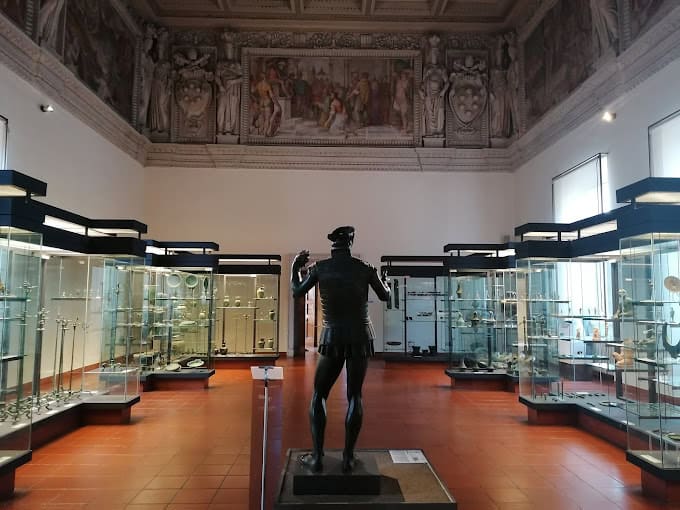
De Gregoriaans Etruskisch Museum in the Vaticaanse Musea is a remarkable collection dedicated to the ancient Etruscan civilization, one of the most influential cultures in pre-Roman Italy. Established by Pope Gregory XVI in 1837, the museum showcases a vast array of artifacts that provide insight into the daily life, art, religion, and burial practices of the Etruscans, who thrived between the 9th and 1st centuries BC.

The museum features nine rooms filled with treasures such as intricately decorated vases, bronze sculptures, gold jewelry, and ceremonial objects. One of the highlights is the collection of Etruscan funerary urns and sarcophagi, which display detailed reliefs and inscriptions that offer a glimpse into Etruscan beliefs about the afterlife. Another must-see is the Regolini-Galassi Tomb, a reconstructed burial chamber filled with exquisite artifacts, including golden ornaments and intricate pottery, offering an unparalleled view of ancient Etruscan burial customs.

The Gregorian Etruscan Museum also includes objects from the Villanovan culture, the precursor to the Etruscans, further enriching visitors’ understanding of ancient Italian civilizations. This museum is a fascinating journey into the art and traditions of one of the oldest and most mysterious peoples of the Mediterranean world, making it an essential stop for archaeology and history enthusiasts visiting the Vatican Museums.

Useful information

Opening hours:

  • Monday – Saturday: 9:00 AM to 6:00 PM (last entry at 4:00 PM).
  • Last Sunday of the month: free entry from 9:00 AM to 2:00 PM (last entry at 12:30 PM).
  • Closed days: Sundays (except the last Sunday of the month) and certain religious holidays such as Christmas and Easter.

Tickets:

  • It is advisable to purchase tickets online in advance to avoid long lines.
  • Tickets can be booked with timed entry to reduce waiting times.
  • Discounts are available for children, students, and groups.
  • Audioguides and guided tours are available in various languages.

How to get there

The Gregorian Etruscan Museum is located within the Vatican Museums complex, specifically in the Vatican Palace. It is housed in a section of the museums near the Pio-Clementine Museum and the Egyptian Museum.

History

De Gregoriaans Etruskisch Museum reflects two histories at once: the long pre-Roman story of central Italy, and the Vatican’s 19th-century drive to organize knowledge through specialized museum collections. Established under Pope Gregory XVI, the museum was created to preserve and present material culture connected to the Etruscans, a civilization that flourished in Italy before Rome became the dominant political force.

For visitors today, the Etruscan story matters because it changes how you read Rome. The city’s later power can make earlier cultures feel like footnotes, but the Etruscan world shaped language, ritual, trade, and visual traditions across the region. Seeing Etruscan material in the Vatican context reinforces a simple truth: Italy’s identity was never a single timeline—it was layers of cultures that influenced each other long before the imperial narrative took over.

The museum also tells a story about collecting. The Vatican Museums are famous for Renaissance masterpieces, but their structure as a “universal” museum includes archaeology and ancient artifacts as well. The Gregorian museums—Egyptian and Etruscan among them—show how institutions used collections to build scholarship, preserve objects, and present a curated view of the past to the public.

When you place this museum inside your Vatican day, it becomes more than a niche detour. It becomes a grounding chapter: the kind of visit that gives depth to everything you see afterward, from classical sculpture to Renaissance frescoes, because you’ve already stepped into the older layers of Italy’s cultural landscape.

De Gregoriaans Etruskisch Museum reflects two histories at once: the long pre-Roman story of central Italy, and the Vatican’s 19th-century drive to organize knowledge through specialized museum collections. Established under Pope Gregory XVI, the museum was created to preserve and present material culture connected to the Etruscans, a civilization that flourished in Italy before Rome became the dominant political force.

For visitors today, the Etruscan story matters because it changes how you read Rome. The city’s later power can make earlier cultures feel like footnotes, but the Etruscan world shaped language, ritual, trade, and visual traditions across the region. Seeing Etruscan material in the Vatican context reinforces a simple truth: Italy’s identity was never a single timeline—it was layers of cultures that influenced each other long before the imperial narrative took over.

The museum also tells a story about collecting. The Vatican Museums are famous for Renaissance masterpieces, but their structure as a “universal” museum includes archaeology and ancient artifacts as well. The Gregorian museums—Egyptian and Etruscan among them—show how institutions used collections to build scholarship, preserve objects, and present a curated view of the past to the public.

When you place this museum inside your Vatican day, it becomes more than a niche detour. It becomes a grounding chapter: the kind of visit that gives depth to everything you see afterward, from classical sculpture to Renaissance frescoes, because you’ve already stepped into the older layers of Italy’s cultural landscape.

Meer tonen

Reviews

Tips

Vatican Museums's Top Experiences

Scroll naar boven