非官方网站

Vatican Classical Sculpture Rooms

"(《世界人权宣言》) 皮欧-克莱门汀博物馆 in the 梵蒂冈博物馆 is one of the most prestigious and important collections of classical sculpture in the world. Founded in the 18th century by Popes Clement XIV and Pius VI, the museum houses an extraordinary array of ancient Roman and Greek sculptures, many of which were discovered during excavations in Rome and surrounding areas. The museum was originally created to showcase the papal collection of antiquities and has since become one of the Vatican’s most visited sections.

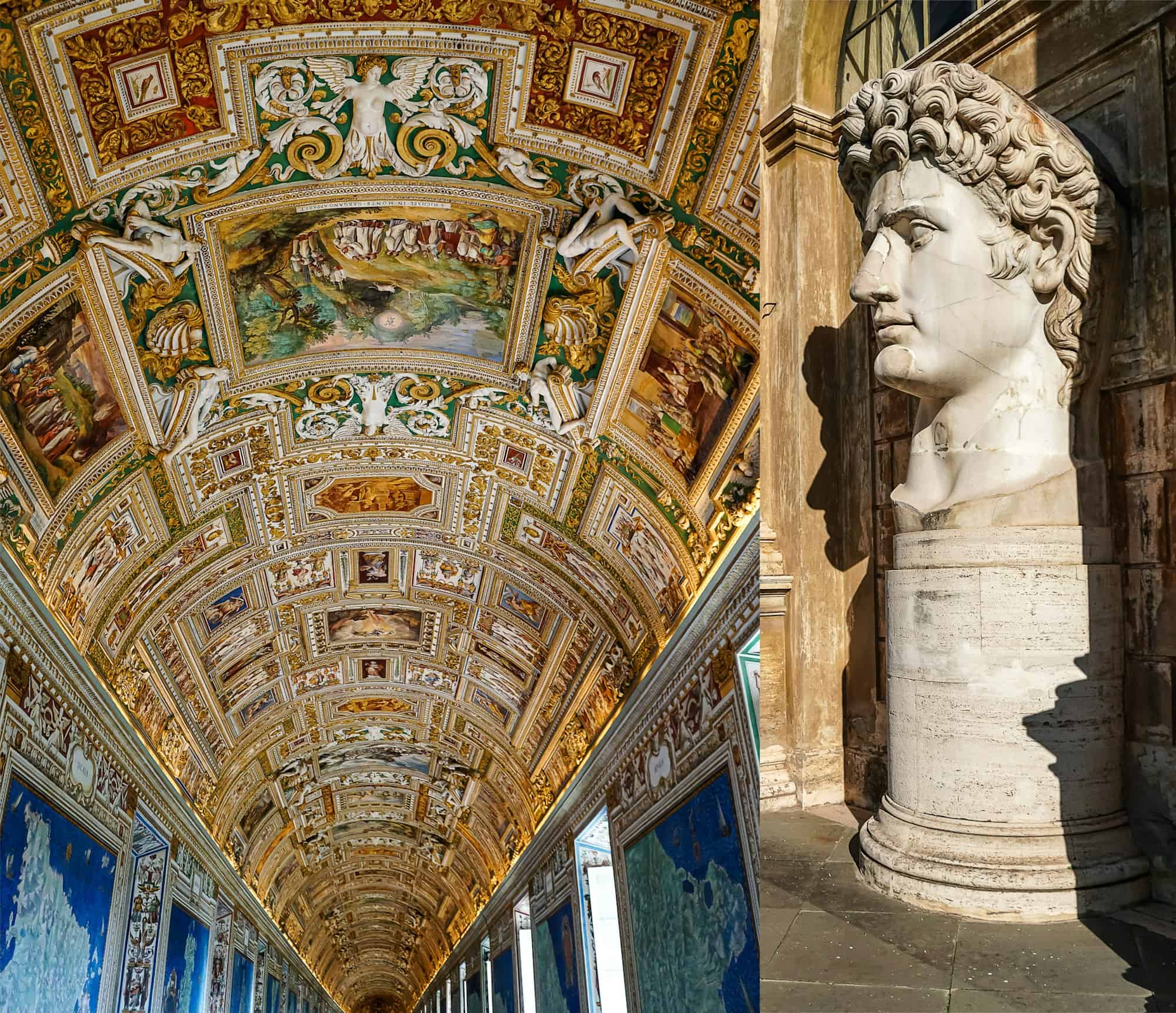
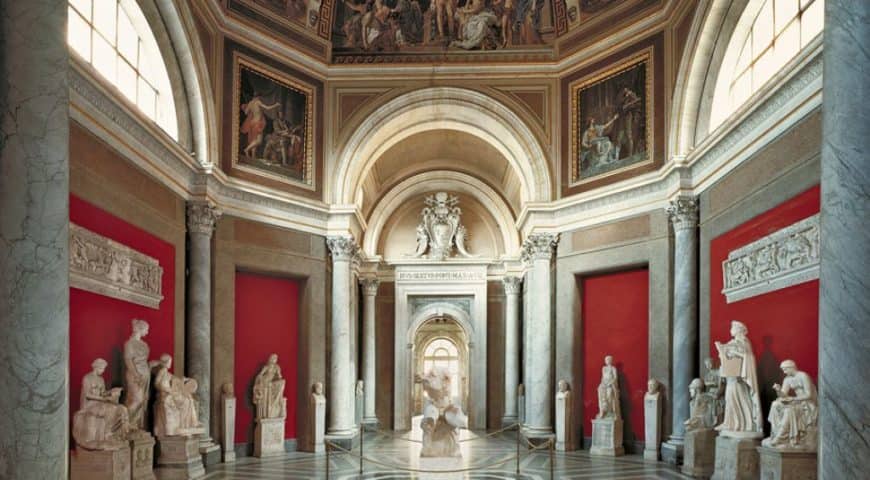
The museum is renowned for its stunning galleries, which include some of the Vatican Museums’ most iconic spaces such as the Octagonal Courtyard, home to masterpieces like the Laocoön Group and the Apollo Belvedere. Other highlights include the Hall of the Muses, which features statues of the Nine Muses and the famous Belvedere Torso, and the Round Hall, modeled after the Pantheon, which contains large, impressive sculptures and a magnificent mosaic floor.

The Pio-Clementine Museum offers a comprehensive view of classical art and sculpture, displaying the skill and artistry of ancient craftsmen. It provides visitors with a deeper understanding of the artistic, cultural, and religious influences that shaped Roman and Greek civilizations, making it an essential stop for those interested in the legacy of classical antiquity.

实用信息

开放时间

  • 星期一至星期六上午 9:00 至下午 6:00(最后入场时间为下午 4:00)。.
  • 每月最后一个周日:上午 9:00 至下午 2:00(最后入场时间为下午 12:30)免费入场。.
  • 休息日周日(每月最后一个周日除外)和某些宗教节日,如圣诞节和复活节。.

门票

  • 建议提前在网上购票,以免排长队。.
  • 门票可预订定时入场,以减少等候时间。.
  • 儿童、学生和团体可享受折扣。.
  • 提供各种语言的语音导览和导游服务。.

如何前往

The Pio-Clementine Museum is located within the Vatican Museums complex, situated in the Vatican Palace. It is one of the first sections that visitors encounter after entering the museums, positioned along the main museum route. The museum’s galleries, including the Octagonal Courtyard and various other halls, are spread throughout a series of grand rooms within the Vatican’s extensive architectural structure. Its central location makes it easily accessible and a major attraction for visitors exploring the classical art and sculpture collections of the Vatican Museums.

历史

"(《世界人权宣言》) 皮欧-克莱门汀博物馆 is one of the Vatican’s most important collections for understanding how ancient art was preserved, displayed, and celebrated in later centuries. The museum takes its name from two popes—克莱门特十四世庇护六世—whose era of collecting and institutional organization helped shape the Vatican’s identity as a major public museum complex. While the statues are ancient, the idea of presenting them in a coherent, monumental sequence is tied to this later history: turning classical sculpture into a curated narrative about civilization, beauty, and authority.

In these rooms, ancient works aren’t treated as isolated archaeological objects. They are staged as cultural anchors. Portraits, gods, athletes, and mythic scenes build a visual language that later Europe used to define education, taste, and power. The Vatican’s classical sculpture galleries became a reference point for artists, scholars, and travelers who came to Rome to study form and proportion, and to learn how the ancient world represented the human body as both ideal and expressive.

What makes the Pio-Clementine Museum historically significant for visitors today is that it still communicates this “school of looking.” You’re not only seeing famous pieces; you’re stepping into the tradition of Rome as a city where antiquity is continuously re-read. The experience is as much about how the Vatican built a museum culture around classical art as it is about the original ancient creators. In that sense, the museum is a bridge: ancient marble on one side, centuries of collecting and interpretation on the other, with the modern visitor walking between them.

"(《世界人权宣言》) 皮欧-克莱门汀博物馆 is one of the Vatican’s most important collections for understanding how ancient art was preserved, displayed, and celebrated in later centuries. The museum takes its name from two popes—克莱门特十四世庇护六世—whose era of collecting and institutional organization helped shape the Vatican’s identity as a major public museum complex. While the statues are ancient, the idea of presenting them in a coherent, monumental sequence is tied to this later history: turning classical sculpture into a curated narrative about civilization, beauty, and authority.

In these rooms, ancient works aren’t treated as isolated archaeological objects. They are staged as cultural anchors. Portraits, gods, athletes, and mythic scenes build a visual language that later Europe used to define education, taste, and power. The Vatican’s classical sculpture galleries became a reference point for artists, scholars, and travelers who came to Rome to study form and proportion, and to learn how the ancient world represented the human body as both ideal and expressive.

What makes the Pio-Clementine Museum historically significant for visitors today is that it still communicates this “school of looking.” You’re not only seeing famous pieces; you’re stepping into the tradition of Rome as a city where antiquity is continuously re-read. The experience is as much about how the Vatican built a museum culture around classical art as it is about the original ancient creators. In that sense, the museum is a bridge: ancient marble on one side, centuries of collecting and interpretation on the other, with the modern visitor walking between them.

显示更多

评论

小贴士

梵蒂冈博物馆的顶级体验

滚动至顶部