非公式ウェブサイト

Borgia Apartments frescoed papal rooms

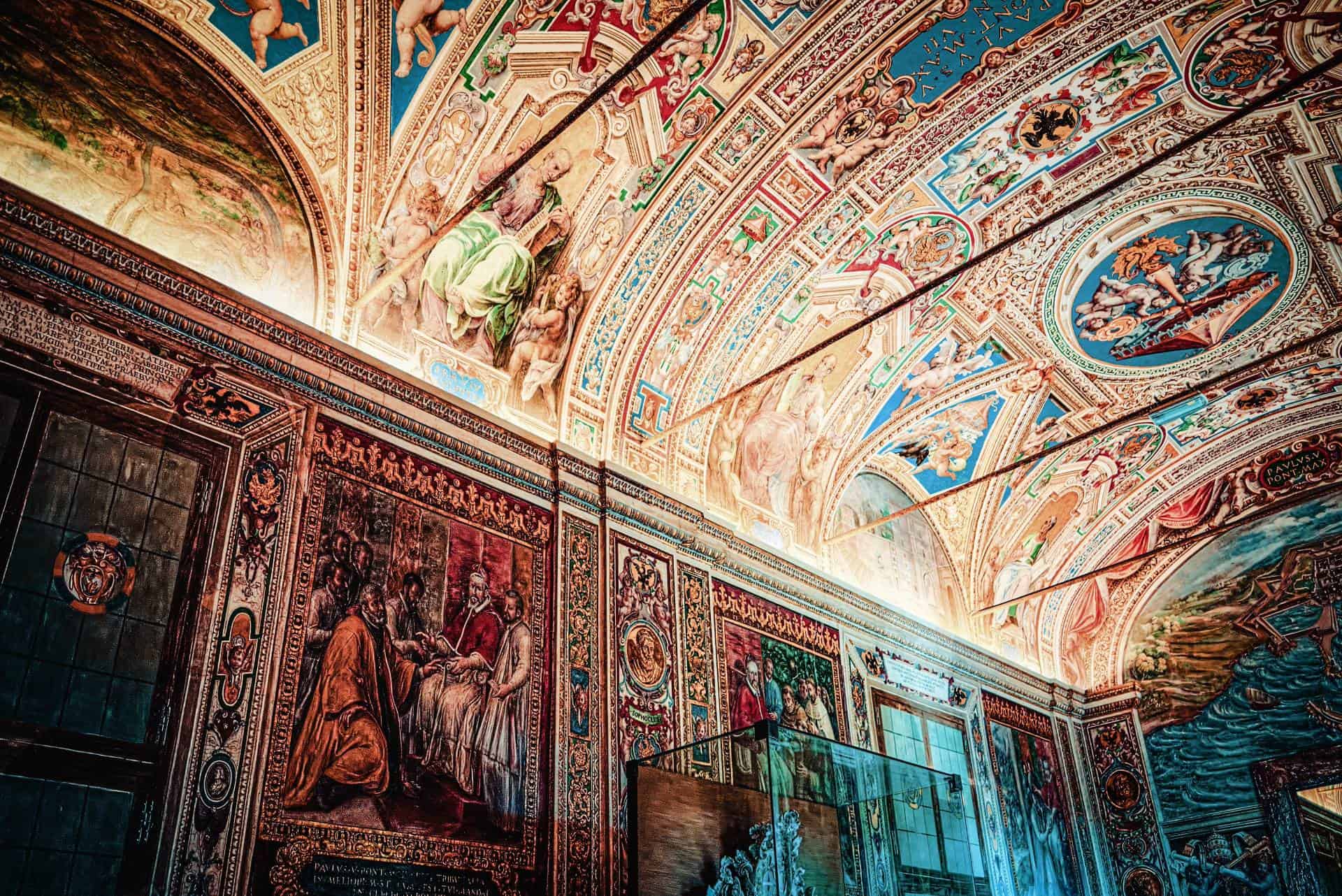
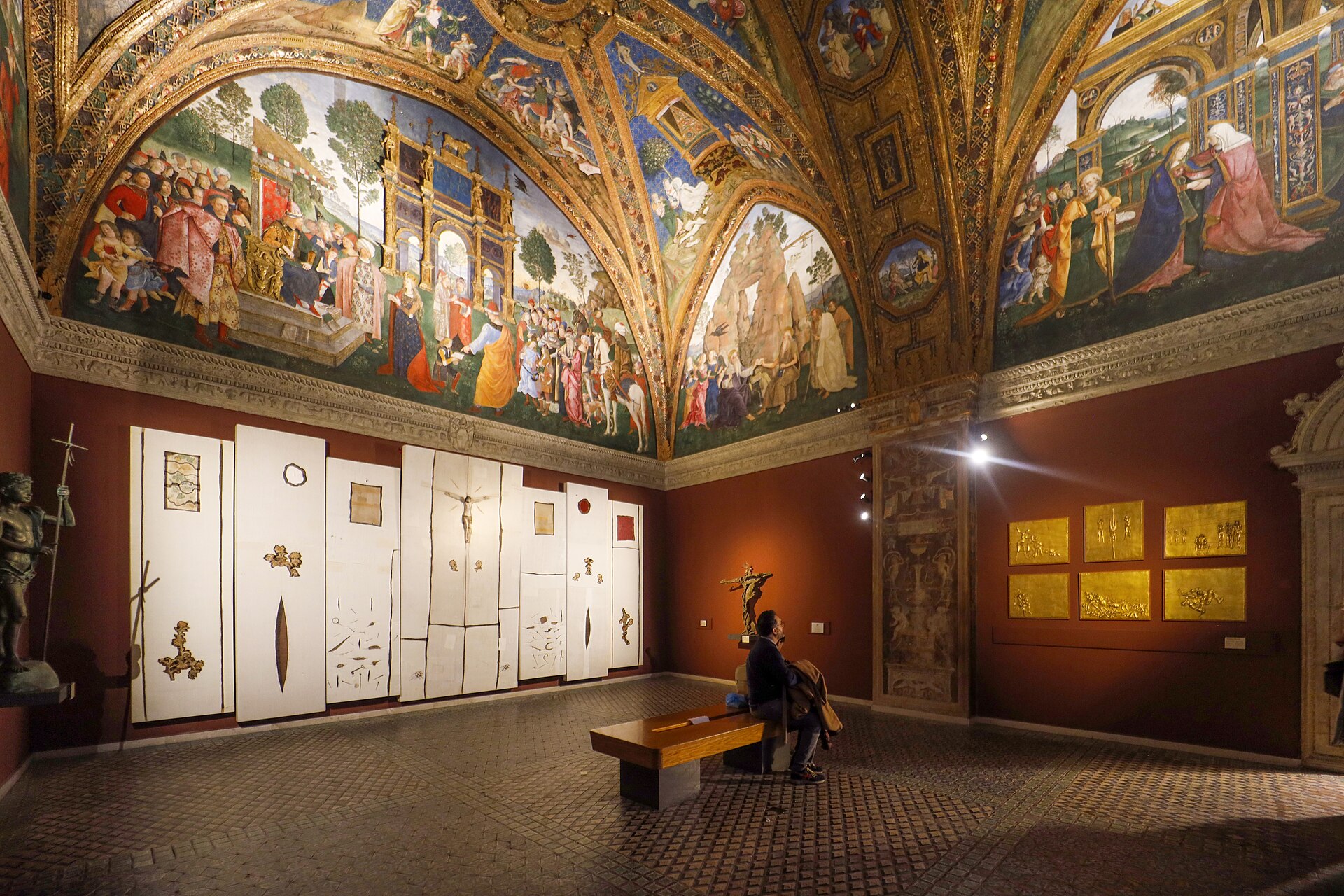
について ボルジア・アパートメント での バチカン美術館 are a series of rooms commissioned by Pope Alexander VI, a member of the notorious Borgia family, in the late 15th century. These lavishly decorated chambers were originally used as private papal apartments and are renowned for their stunning frescoes painted by the Italian artist Pinturicchio and his workshop. The frescoes depict religious, mythological, and allegorical themes, blending Christian symbolism with Renaissance artistic techniques.

The rooms include the Hall of the Mysteries of Faith, the Hall of the Sibyls, and the Hall of the Saints, each with intricate ceiling frescoes and wall paintings that illustrate sacred stories and figures. Today, the Borgia Apartments are part of the Vatican Museums tour and house part of the Collection of Modern Religious Art, providing visitors with a fascinating mix of Renaissance art and modern spiritual works in a historic setting. The apartments reflect the grandeur and cultural richness of the Renaissance papal court while offering a glimpse into the artistic legacy of one of history’s most infamous papal families.

役立つ情報

営業時間

  • 月曜日~土曜日午前9:00~午後6:00(最終入場は午後4:00)。.
  • 毎月最終日曜日:午前9:00~午後2:00まで入場無料(最終入場は午後12:30)。.
  • 休業日日曜日(最終日曜日を除く)、クリスマスやイースターなど特定の宗教的祝日。.

チケット

  • 長蛇の列を避けるため、事前にオンラインでチケットを購入することをお勧めする。.
  • チケットは、待ち時間を減らすために時間指定入場券で予約することができる。.
  • 子供、学生、団体割引あり。.
  • 様々な言語でのオーディオガイドとガイドツアーがある。.

アクセス

The Borgia Apartments are located within the Vatican Museums, situated in the Apostolic Palace.

歴史

について ボルジア・アパートメント are named for Rodrigo de Borja—Pope Alexander VI—who used this part of the papal residence during his pontificate (1492–1503). The Vatican Museums describe the Apartments as six monumental spaces renovated and decorated at Alexander VI’s request, and they identify the six rooms by name: the Room of the Sibyls, the Room of the Creed, the Room of the Liberal Arts, the Room of the Saints, the Room of the Mysteries, and the Room of the Pontiffs.

After Alexander VI’s death, the Apartments were abandoned by ユリウス2世, who moved to the rooms above—now known as the ラファエル・ルーム. Over the centuries the spaces were reused for different functions, and only at the end of the 1800s were they opened to the public after restoration, according to the Vatican Museums’ account.

The Vatican Museums also explain that the pictorial decoration of the “secret rooms” was entrusted to the Umbrian painter Pinturicchio (Bernardino di Betto) and that the work was completed rapidly between the autumn of 1492 and the beginning of 1494 with support from a team of artists. Today, the Vatican Museums note that these rooms house part of the Vatican Museums’ Collection of Modern and Contemporary Art, inaugurated by パウロ六世 in 1973—an unusual and fascinating layering of Renaissance fresco environment with later collecting history.

について ボルジア・アパートメント are named for Rodrigo de Borja—Pope Alexander VI—who used this part of the papal residence during his pontificate (1492–1503). The Vatican Museums describe the Apartments as six monumental spaces renovated and decorated at Alexander VI’s request, and they identify the six rooms by name: the Room of the Sibyls, the Room of the Creed, the Room of the Liberal Arts, the Room of the Saints, the Room of the Mysteries, and the Room of the Pontiffs.

After Alexander VI’s death, the Apartments were abandoned by ユリウス2世, who moved to the rooms above—now known as the ラファエル・ルーム. Over the centuries the spaces were reused for different functions, and only at the end of the 1800s were they opened to the public after restoration, according to the Vatican Museums’ account.

The Vatican Museums also explain that the pictorial decoration of the “secret rooms” was entrusted to the Umbrian painter Pinturicchio (Bernardino di Betto) and that the work was completed rapidly between the autumn of 1492 and the beginning of 1494 with support from a team of artists. Today, the Vatican Museums note that these rooms house part of the Vatican Museums’ Collection of Modern and Contemporary Art, inaugurated by パウロ六世 in 1973—an unusual and fascinating layering of Renaissance fresco environment with later collecting history.

もっと見る

レビュー

ヒント

バチカン美術館のトップ・エクスペリエンス

上部へスクロール