비공식 웹사이트

Borgia Apartments frescoed papal rooms

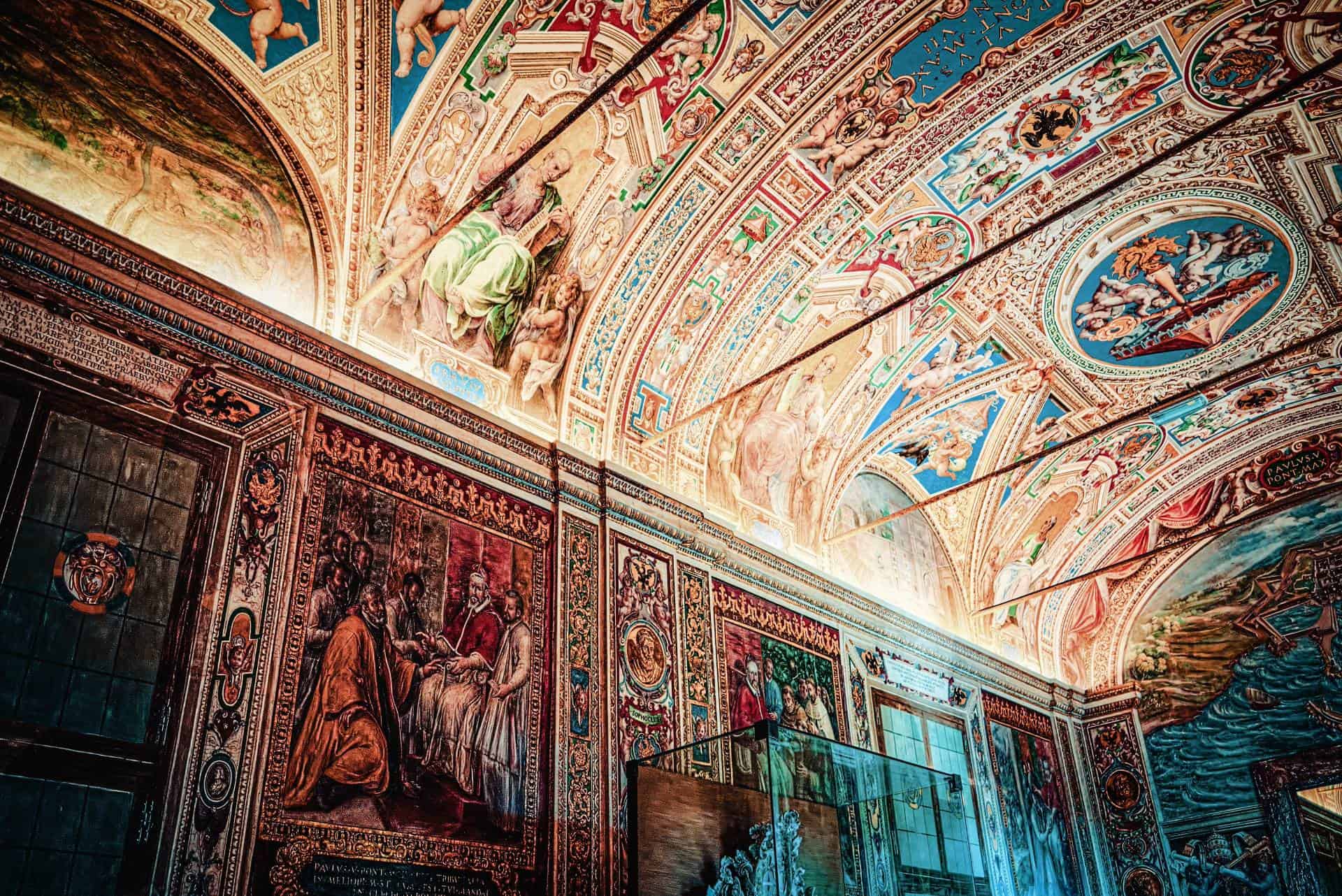
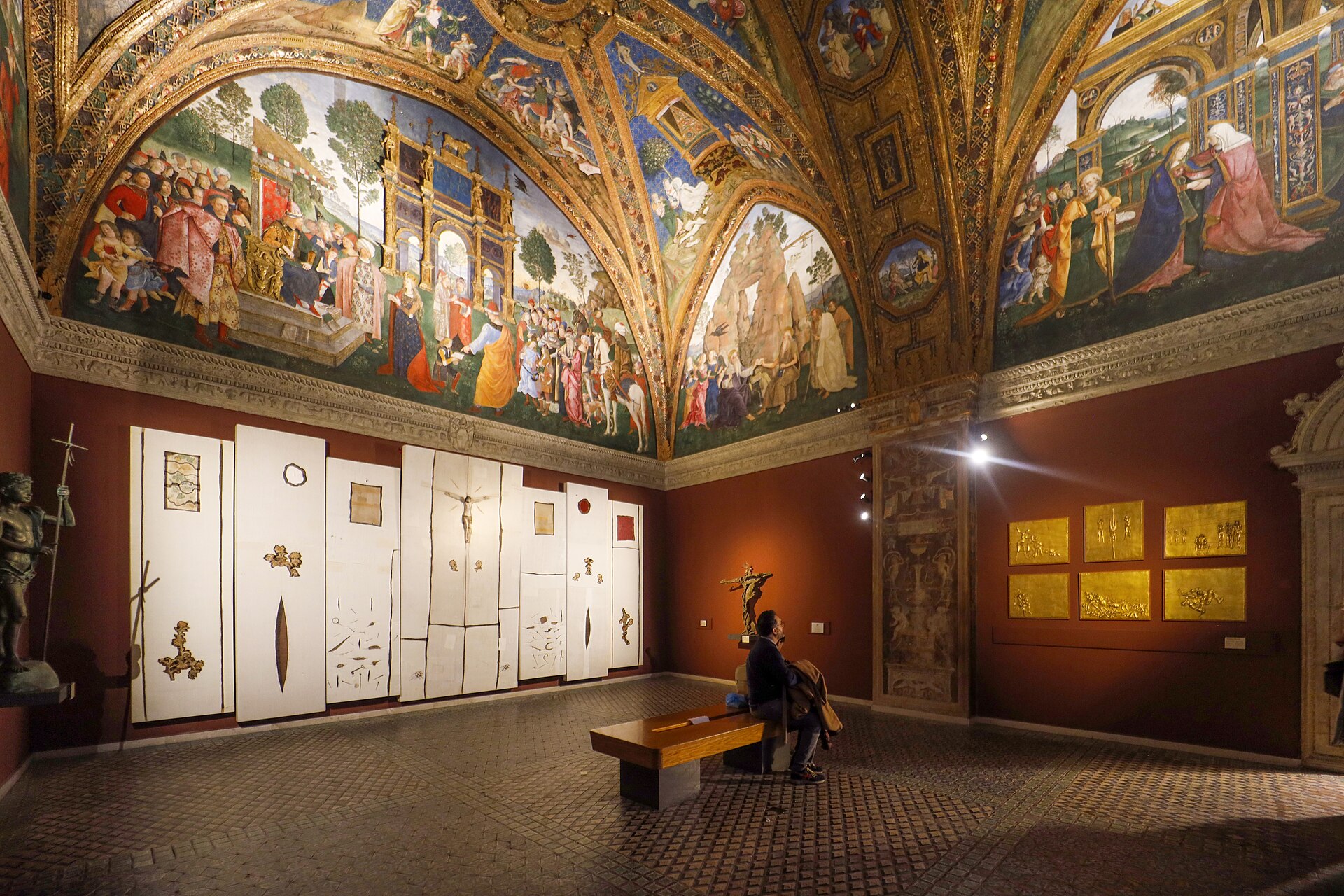
그리고 보르지아 아파트 in the 바티칸 박물관 are a series of rooms commissioned by Pope Alexander VI, a member of the notorious Borgia family, in the late 15th century. These lavishly decorated chambers were originally used as private papal apartments and are renowned for their stunning frescoes painted by the Italian artist Pinturicchio and his workshop. The frescoes depict religious, mythological, and allegorical themes, blending Christian symbolism with Renaissance artistic techniques.

The rooms include the Hall of the Mysteries of Faith, the Hall of the Sibyls, and the Hall of the Saints, each with intricate ceiling frescoes and wall paintings that illustrate sacred stories and figures. Today, the Borgia Apartments are part of the Vatican Museums tour and house part of the Collection of Modern Religious Art, providing visitors with a fascinating mix of Renaissance art and modern spiritual works in a historic setting. The apartments reflect the grandeur and cultural richness of the Renaissance papal court while offering a glimpse into the artistic legacy of one of history’s most infamous papal families.

유용한 정보

영업 시간:

  • 월요일 - 토요일: 오전 9시부터 오후 6시까지(오후 4시 입장 마감).
  • 매월 마지막 주 일요일: 오전 9시부터 오후 2시까지 무료 입장(입장 마감은 오후 12시 30분).
  • 휴무일: 일요일(매월 마지막 일요일 제외) 및 크리스마스, 부활절과 같은 특정 종교 공휴일.

티켓:

  • 긴 줄을 서지 않으려면 미리 온라인으로 티켓을 구매하는 것이 좋습니다.
  • 대기 시간을 줄이기 위해 시간 지정 입장권을 예약할 수 있습니다.
  • 어린이, 학생, 단체는 할인 혜택을 받을 수 있습니다.
  • 오디오 가이드와 가이드 투어는 다양한 언어로 제공됩니다.

찾아가는 방법

The Borgia Apartments are located within the Vatican Museums, situated in the Apostolic Palace.

역사

그리고 보르지아 아파트 are named for Rodrigo de Borja—Pope Alexander VI—who used this part of the papal residence during his pontificate (1492–1503). The Vatican Museums describe the Apartments as six monumental spaces renovated and decorated at Alexander VI’s request, and they identify the six rooms by name: the Room of the Sibyls, the Room of the Creed, the Room of the Liberal Arts, the Room of the Saints, the Room of the Mysteries, and the Room of the Pontiffs.

After Alexander VI’s death, the Apartments were abandoned by Julius II, who moved to the rooms above—now known as the 라파엘 룸. Over the centuries the spaces were reused for different functions, and only at the end of the 1800s were they opened to the public after restoration, according to the Vatican Museums’ account.

The Vatican Museums also explain that the pictorial decoration of the “secret rooms” was entrusted to the Umbrian painter Pinturicchio (Bernardino di Betto) and that the work was completed rapidly between the autumn of 1492 and the beginning of 1494 with support from a team of artists. Today, the Vatican Museums note that these rooms house part of the Vatican Museums’ Collection of Modern and Contemporary Art, inaugurated by Paul VI in 1973—an unusual and fascinating layering of Renaissance fresco environment with later collecting history.

그리고 보르지아 아파트 are named for Rodrigo de Borja—Pope Alexander VI—who used this part of the papal residence during his pontificate (1492–1503). The Vatican Museums describe the Apartments as six monumental spaces renovated and decorated at Alexander VI’s request, and they identify the six rooms by name: the Room of the Sibyls, the Room of the Creed, the Room of the Liberal Arts, the Room of the Saints, the Room of the Mysteries, and the Room of the Pontiffs.

After Alexander VI’s death, the Apartments were abandoned by Julius II, who moved to the rooms above—now known as the 라파엘 룸. Over the centuries the spaces were reused for different functions, and only at the end of the 1800s were they opened to the public after restoration, according to the Vatican Museums’ account.

The Vatican Museums also explain that the pictorial decoration of the “secret rooms” was entrusted to the Umbrian painter Pinturicchio (Bernardino di Betto) and that the work was completed rapidly between the autumn of 1492 and the beginning of 1494 with support from a team of artists. Today, the Vatican Museums note that these rooms house part of the Vatican Museums’ Collection of Modern and Contemporary Art, inaugurated by Paul VI in 1973—an unusual and fascinating layering of Renaissance fresco environment with later collecting history.

자세히 보기

리뷰

바티칸 박물관의 인기 체험

위로 스크롤