비공식 웹사이트

Octagonal Courtyard sculpture highlights

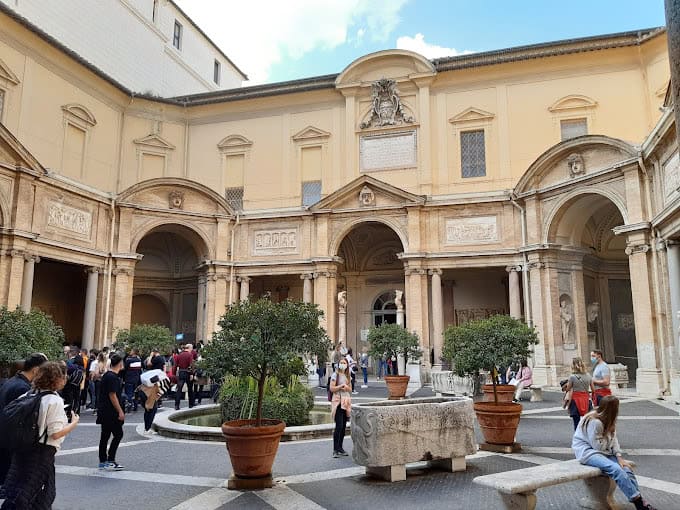
그리고 팔각형 안뜰, located in the 바티칸 박물관, is one of the most iconic spaces in the complex. Originally designed by the Renaissance architect Donato Bramante in the early 16th century, this courtyard is a stunning open-air gallery that houses some of the Vatican’s most important classical sculptures. The layout of the courtyard, with its eight sides, provides an elegant backdrop to masterpieces such as the Laocoön Group and the Apollo Belvedere. These ancient statues are displayed in niches that allow visitors to admire their beauty and historical significance from all angles. The Octagonal Courtyard is not only a place of artistic importance but also offers a peaceful atmosphere, perfect for reflecting on the masterpieces of antiquity that have shaped Western art.


유용한 정보

영업 시간:

  • 월요일 - 토요일: 오전 9시부터 오후 6시까지(오후 4시 입장 마감).
  • 매월 마지막 주 일요일: 오전 9시부터 오후 2시까지 무료 입장(입장 마감은 오후 12시 30분).
  • 휴무일: 일요일(매월 마지막 일요일 제외) 및 크리스마스, 부활절과 같은 특정 종교 공휴일.

티켓:

  • 긴 줄을 서지 않으려면 미리 온라인으로 티켓을 구매하는 것이 좋습니다.
  • 대기 시간을 줄이기 위해 시간 지정 입장권을 예약할 수 있습니다.
  • 어린이, 학생, 단체는 할인 혜택을 받을 수 있습니다.
  • 오디오 가이드와 가이드 투어는 다양한 언어로 제공됩니다.

찾아가는 방법

The Octagonal Courtyard (Cortile Ottagono) is located within the Vatican Museums complex, specifically in the Belvedere Courtyard, part of the section known as the Pio-Clementine Museum. This courtyard is accessible along the museum route and is one of the first stops during the visit, right after passing through some of the main galleries and halls. The Octagonal Courtyard houses some of the most famous classical statues in the Vatican collection and is one of the key attractions during the museum tour.

역사

그리고 Octagonal Court (Cortile Ottagono) was once known as the Cortile delle Statue, and it housed the first nucleus of antique classical statues in the pontifical collections. The Vatican Museums explain that Pope Julius II (1503–1513) displayed an extraordinary collection of antique sculpture here, with the ambition of reviving the “Rome of the Caesars” within the Rome of the Popes.

In the late 1700s, the Vatican notes that Clement XIV 그리고 Pius VI transformed the growing collection into a purpose-built museum, and the court became the fulcrum of that new project. This period is also when the Pio Clementino Museum takes its name, honoring the two popes who oversaw its foundation.

Despite later changes over the centuries, the Vatican Museums state that some sculptures—specifically including the Laocoön and the Apollo Belvedere—remain in positions they have held since the early 16th century. For today’s visitor, that continuity is part of the magic: you’re not just seeing famous works, you’re standing in a historical display environment that helped shape how Renaissance and later artists learned to look at antiquity.

그리고 Octagonal Court (Cortile Ottagono) was once known as the Cortile delle Statue, and it housed the first nucleus of antique classical statues in the pontifical collections. The Vatican Museums explain that Pope Julius II (1503–1513) displayed an extraordinary collection of antique sculpture here, with the ambition of reviving the “Rome of the Caesars” within the Rome of the Popes.

In the late 1700s, the Vatican notes that Clement XIV 그리고 Pius VI transformed the growing collection into a purpose-built museum, and the court became the fulcrum of that new project. This period is also when the Pio Clementino Museum takes its name, honoring the two popes who oversaw its foundation.

Despite later changes over the centuries, the Vatican Museums state that some sculptures—specifically including the Laocoön and the Apollo Belvedere—remain in positions they have held since the early 16th century. For today’s visitor, that continuity is part of the magic: you’re not just seeing famous works, you’re standing in a historical display environment that helped shape how Renaissance and later artists learned to look at antiquity.

자세히 보기

리뷰

바티칸 박물관의 인기 체험

위로 스크롤